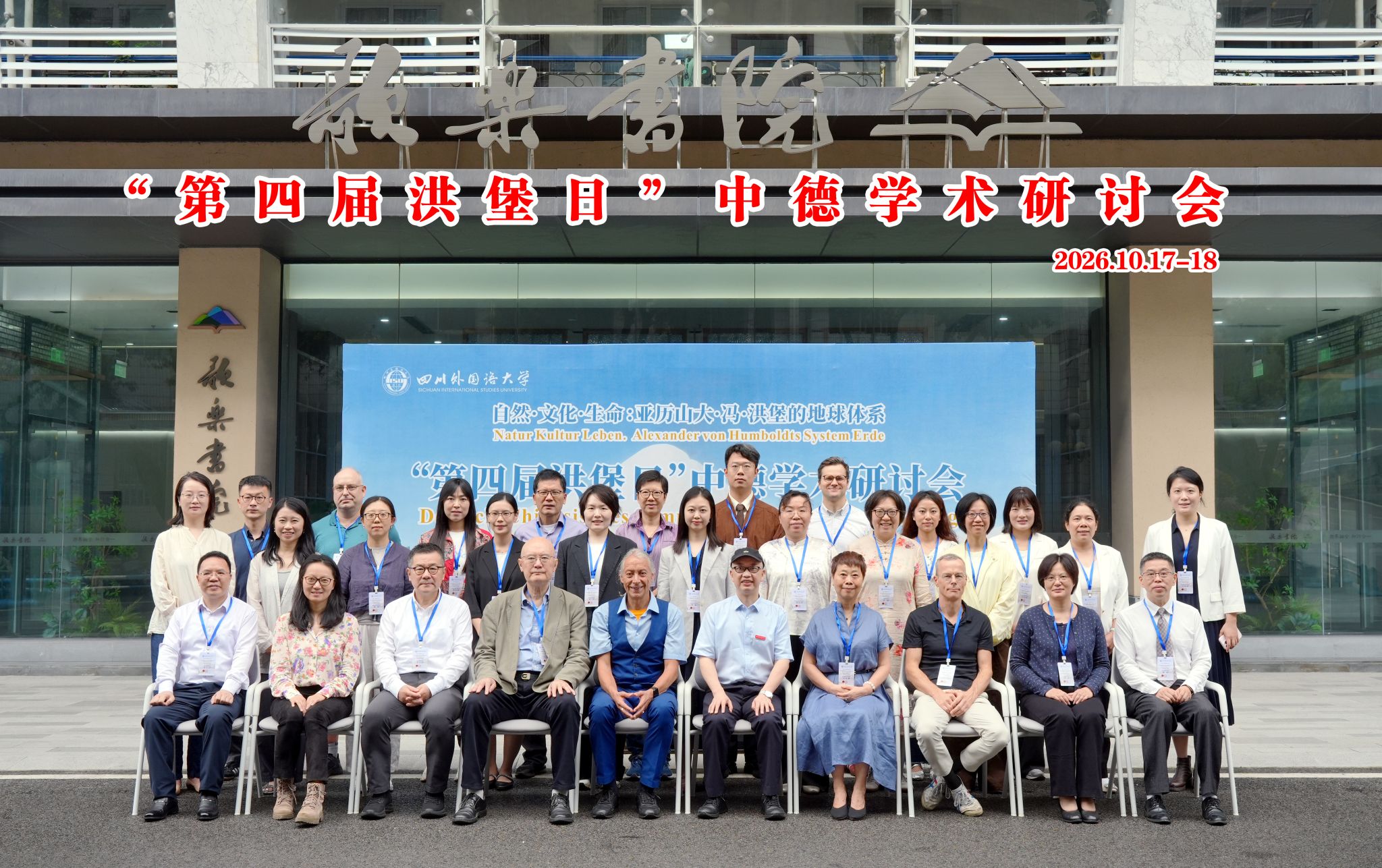
Group photo of the participants
The Fourth Humboldt Day Sino-German Academic Symposium was held at Sichuan International Studies University on October 17–18, 2026. Under the theme “Nature, Culture, and Life: Alexander von Humboldt’s Earth System,” the symposium was jointly organized by the Center for German-Studies, the School of German Studies, and the Institute of Area Studies at Sichuan International Studies University, together with the Humboldt Center for Transdisciplinary Studies at Hunan Normal University. The symposium featured in-depth discussions on a range of topics, including Humboldt’s conceptions of nature and culture, transregional studies, science diplomacy, and Sino-German academic exchange. More than 30 experts and scholars from universities and research institutions in China and abroad—including the Berlin-Brandenburg Academy of Sciences and Humanities, Peking University, Beijing Foreign Studies University, Sun Yat-sen University, City University of Hong Kong, and Hunan Normal University—gathered in Chongqing to explore the historical significance and contemporary relevance of Humboldt’s thought.
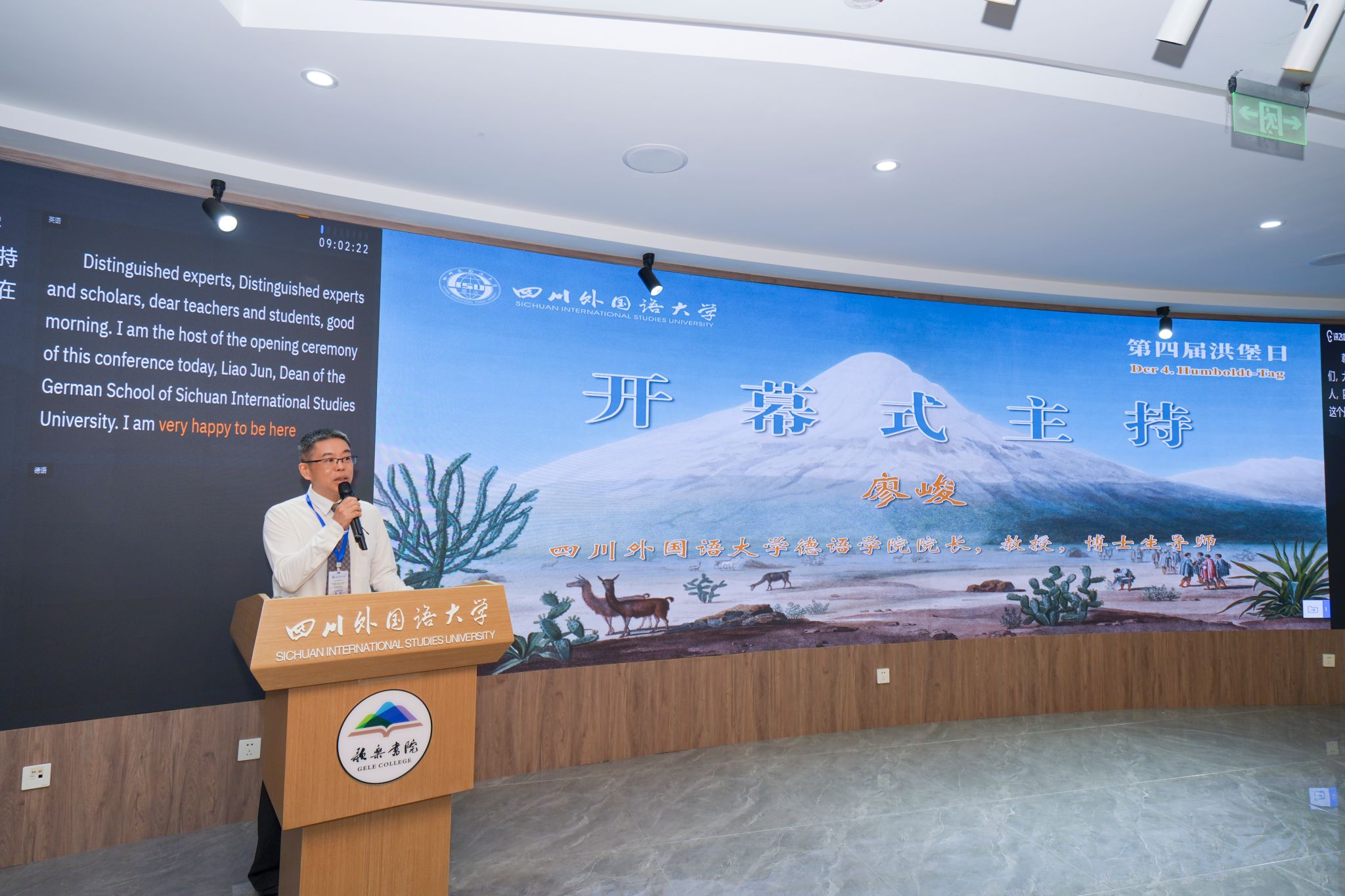
Professor Liao Jun chairs the opening ceremony
The symposium officially opened on the morning of October 17. The opening ceremony was chaired by Professor Liao Jun, Dean of the School of German Studies at Sichuan International Studies University.Professor Hu Anjiang, Vice President of Sichuan International Studies University, delivered the welcome address. He welcomed the participating experts and scholars and noted that Humboldt studies are distinctly interdisciplinary, offering valuable insights into dialogue between the natural sciences and the humanities and social sciences, mutual understanding between different cultures, and contemporary area studies. He added that the university would continue to promote international academic exchange and interdisciplinary collaboration, providing a platform for Sino-German academic dialogue and research in related fields. Professor Ottmar Ette, a member of the Berlin-Brandenburg Academy of Sciences and Humanities and Director of the Humboldt Center for Transdisciplinary Studies at Hunan Normal University, then addressed the gathering. He described Sichuan International Studies University’s hosting of the Humboldt Day event as a milestone, marking the gradual expansion of Humboldt studies beyond Changsha to a national scale and ushering in a new stage of development.
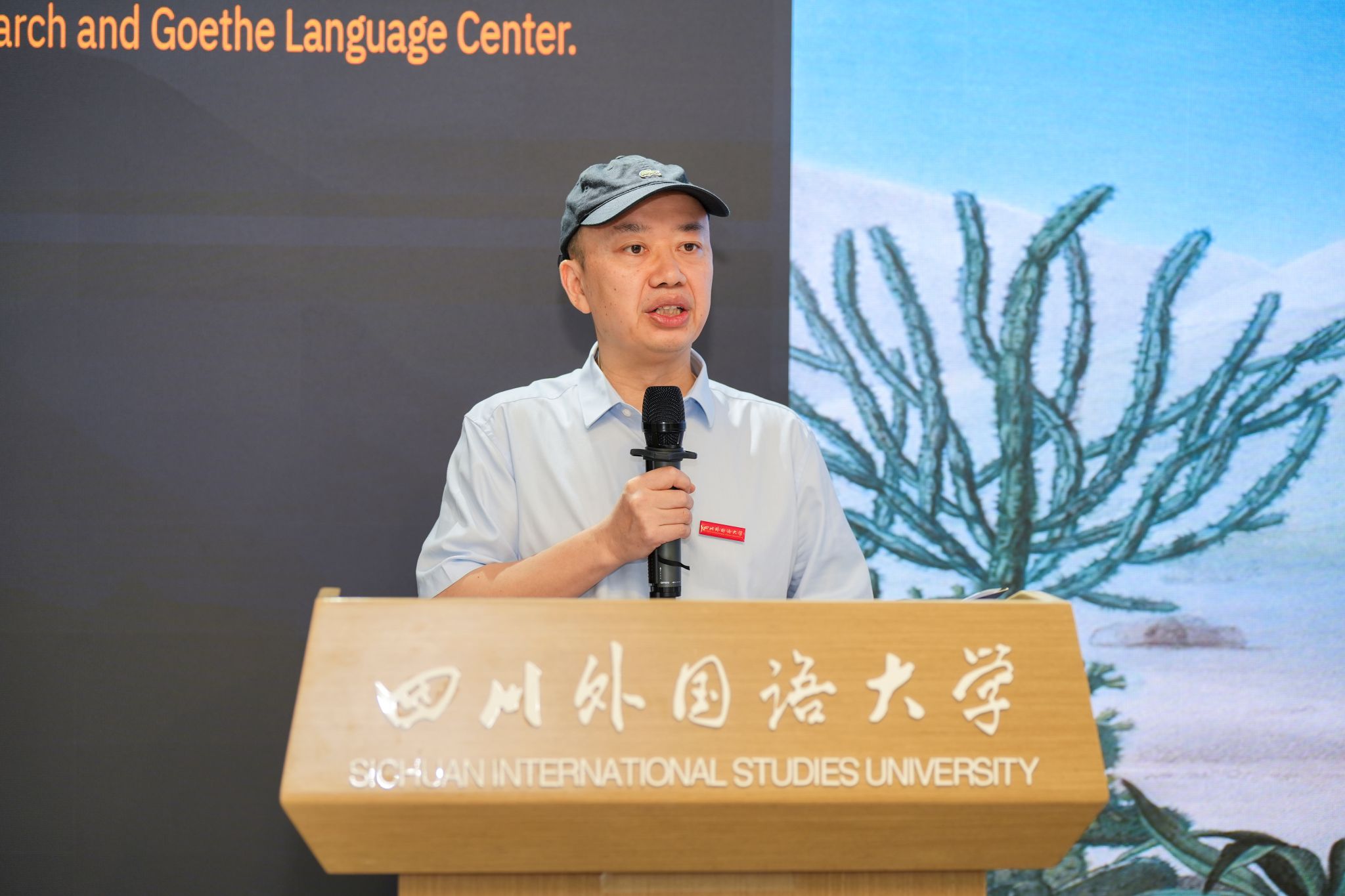
Vice President of SISU Hu Anjiang delivers the welcome address
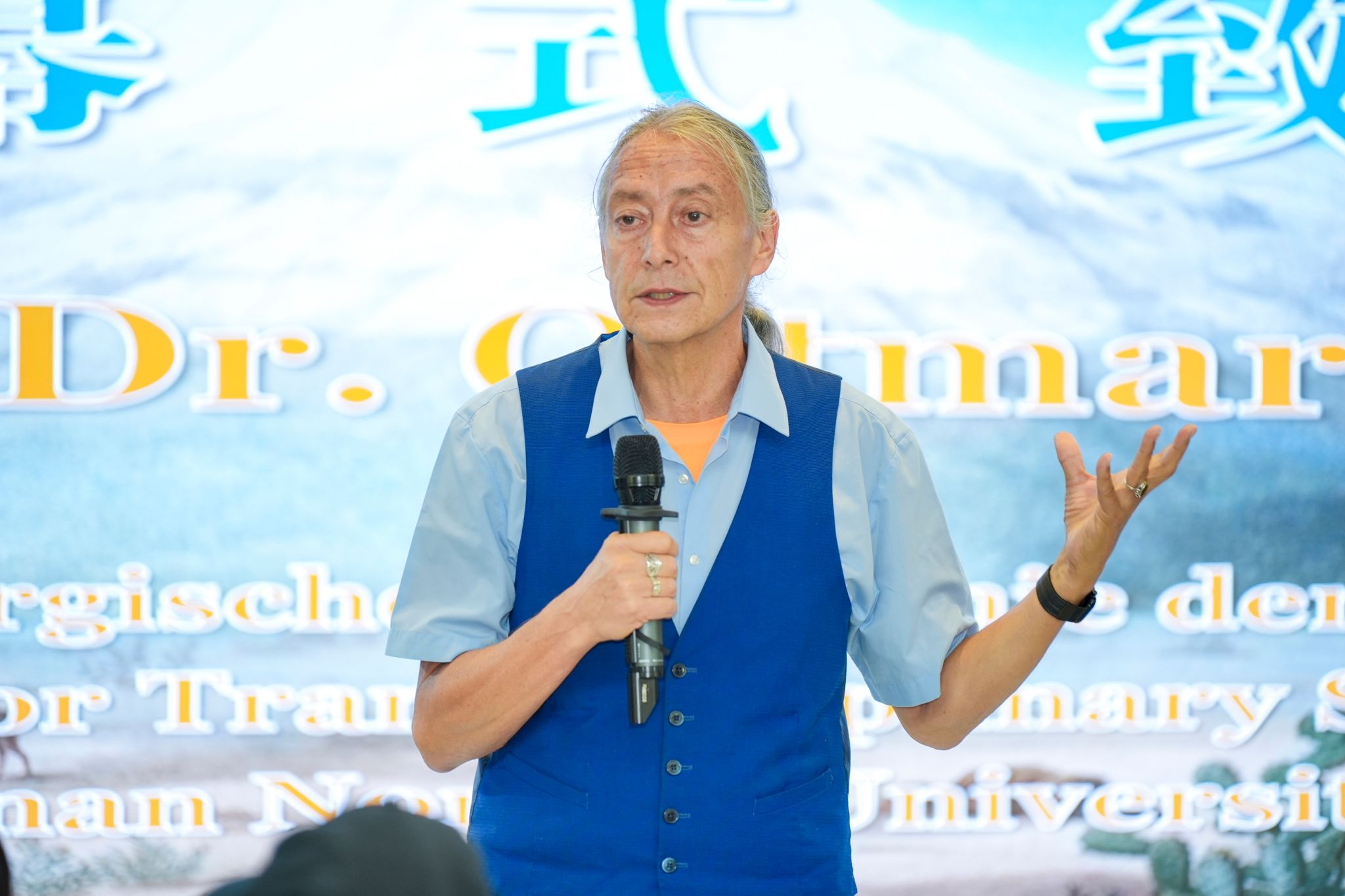
Professor Ottmar Ette delivers an address
The keynote session, chaired by Professor Feng Yalin, brought together scholars who explored Humboldt’s thought from multiple perspectives. Professor Ette examined how Humboldt connected nature and culture on a global scale and elucidated the relationship between his thought and transregional studies. Professor Li Xuetao compared China’s Illustrated Study of the Names and Reality of Plants (《植物名实图考》) with European botanical atlases, revealing how different cultures understand and represent nature. Professor Wang Shizhou explored the underlying affinities between Humboldt’s broad global vision and the concept of a community with a shared future for humanity. Dr. Su Jing examined Humboldt as a pioneer of science diplomacy and drew out the implications of his thought and practice for contemporary diplomacy. Collectively, these presentations highlighted the richness of Humboldt’s thought through the lenses of global science, knowledge exchange, cultural comparison, and science diplomacy.
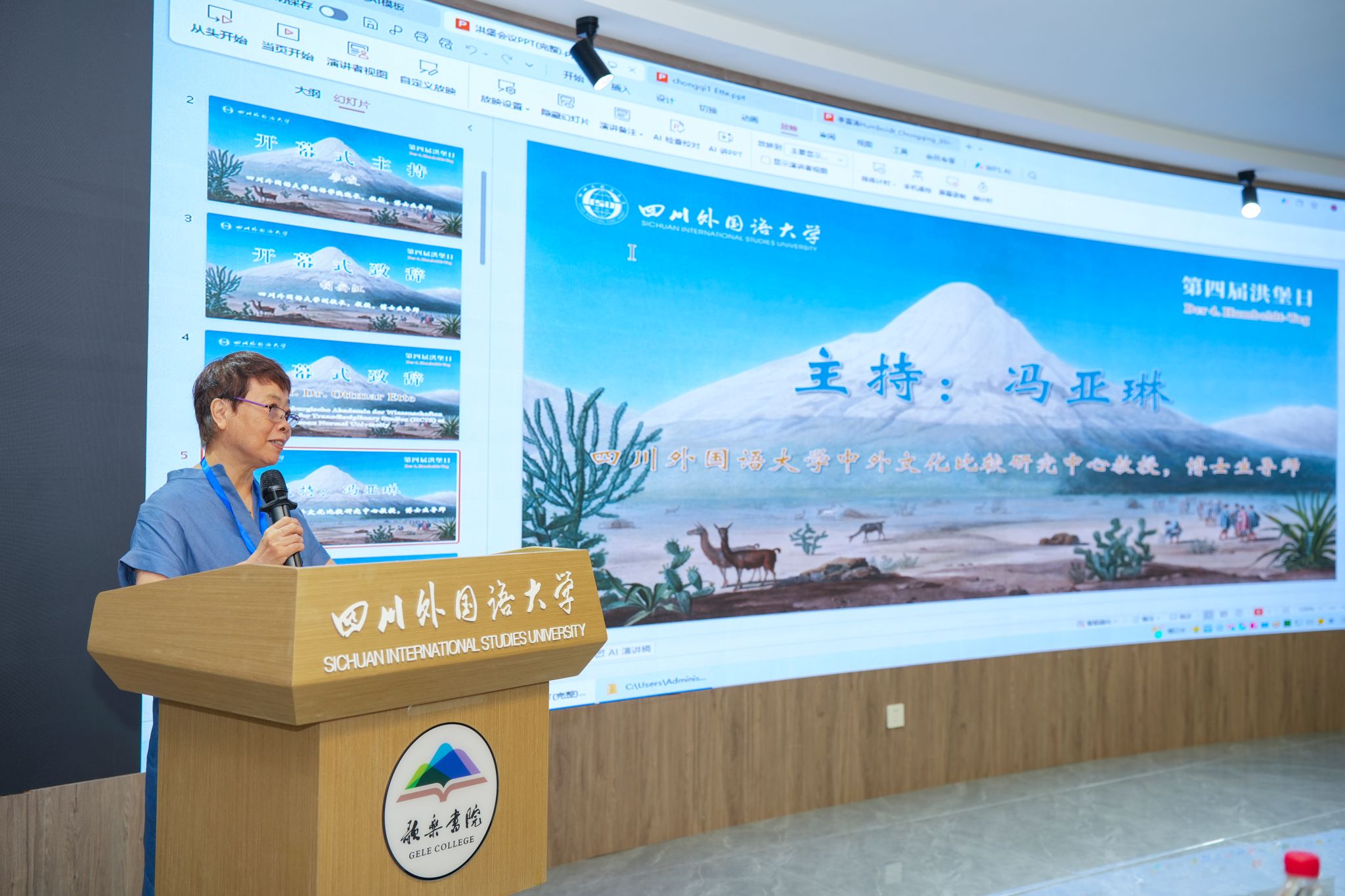
Professor Feng Yalin chairs the session
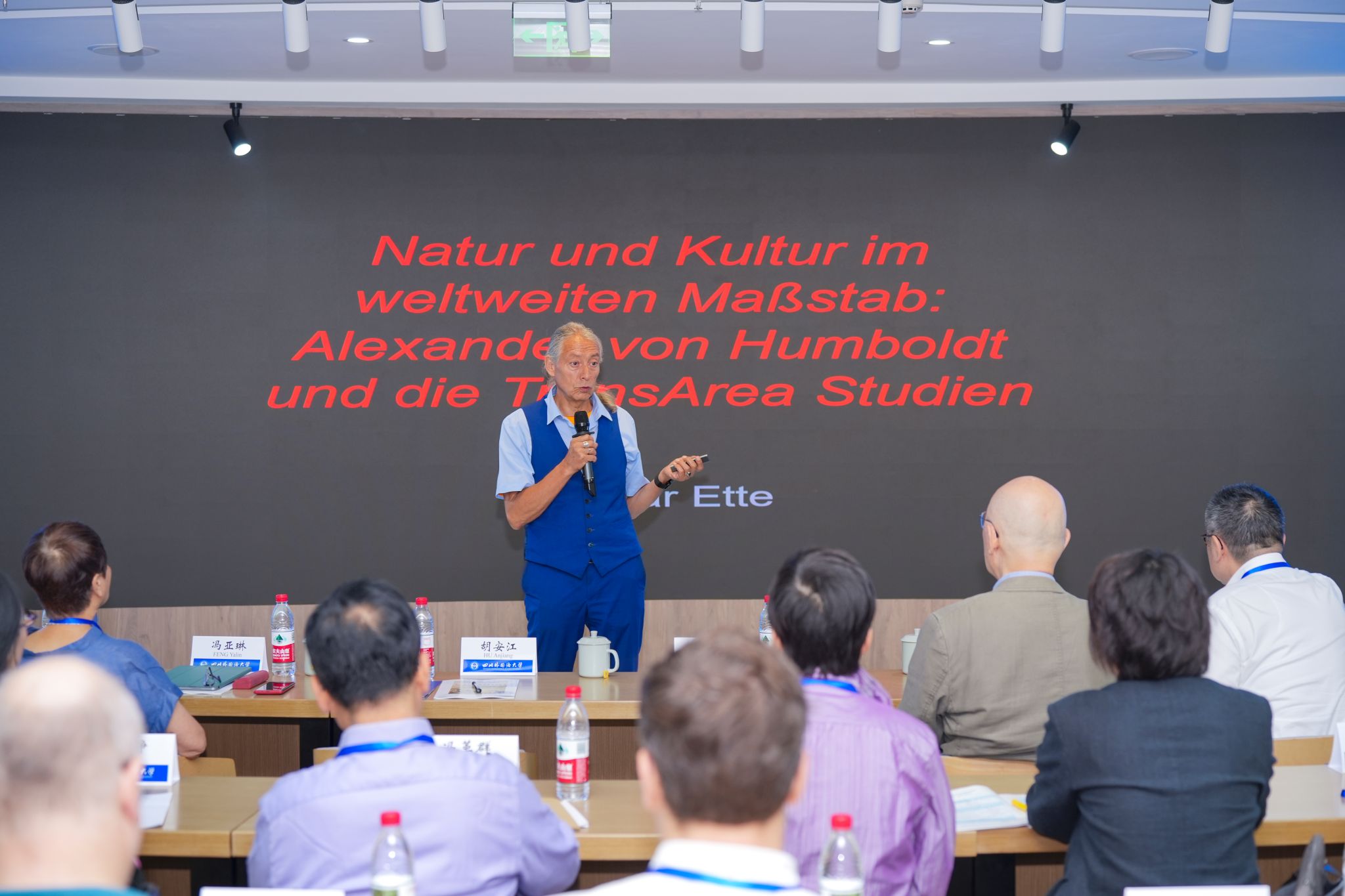
Professor Ottmar Ette delivers a presentation
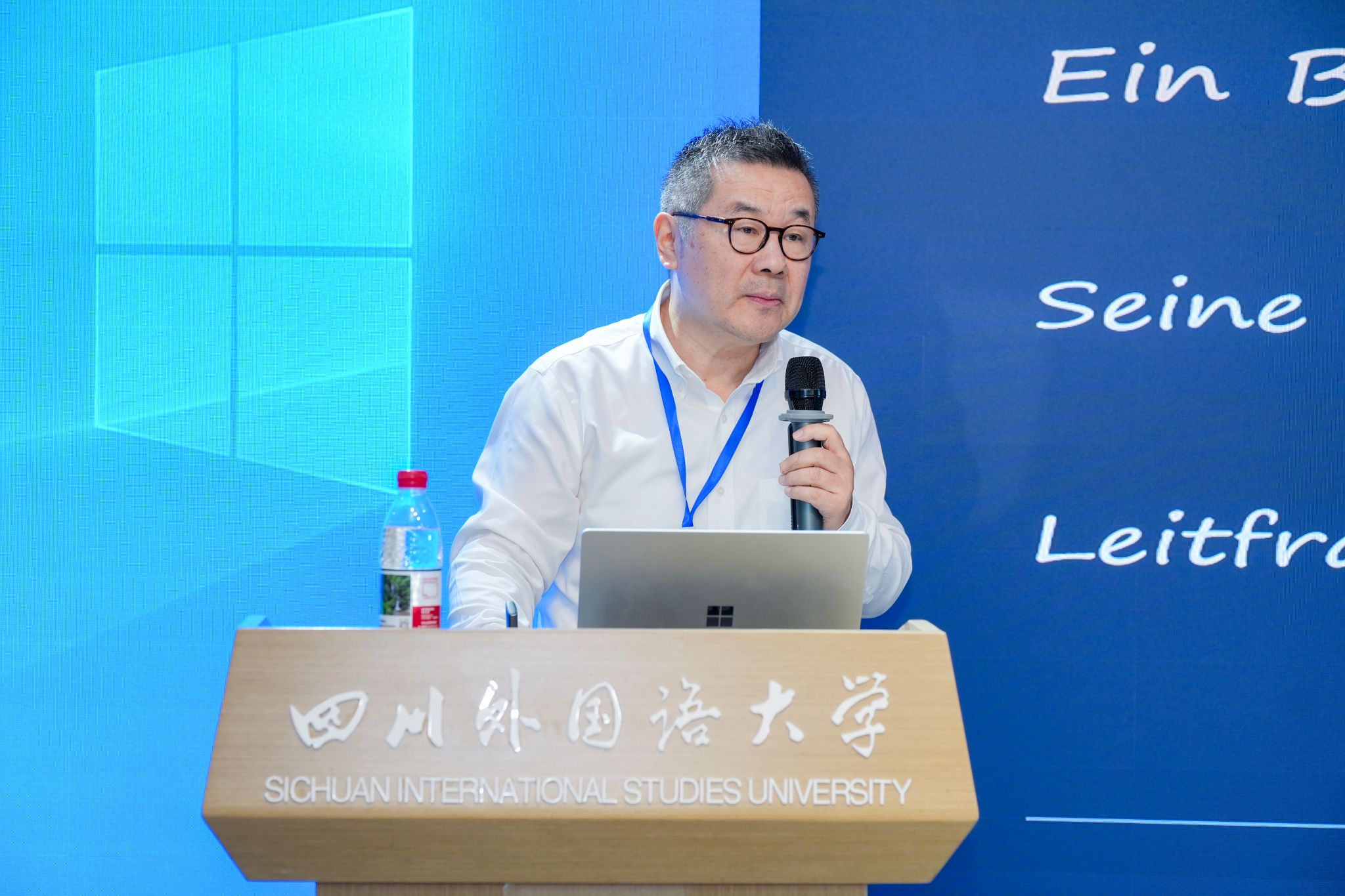
Professor Li Xuetao delivers a presentation
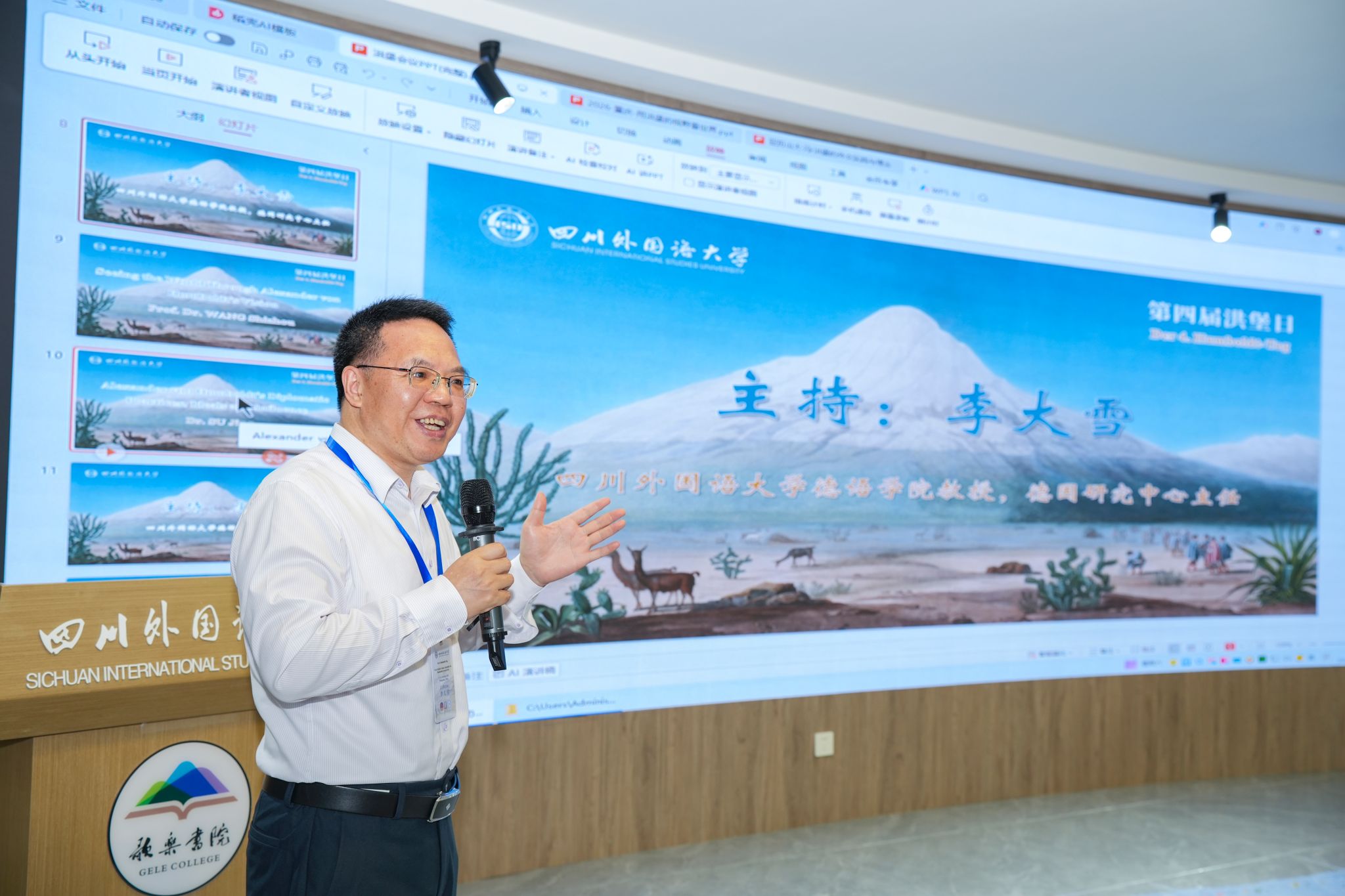
Professor Li Daxue chairs the session
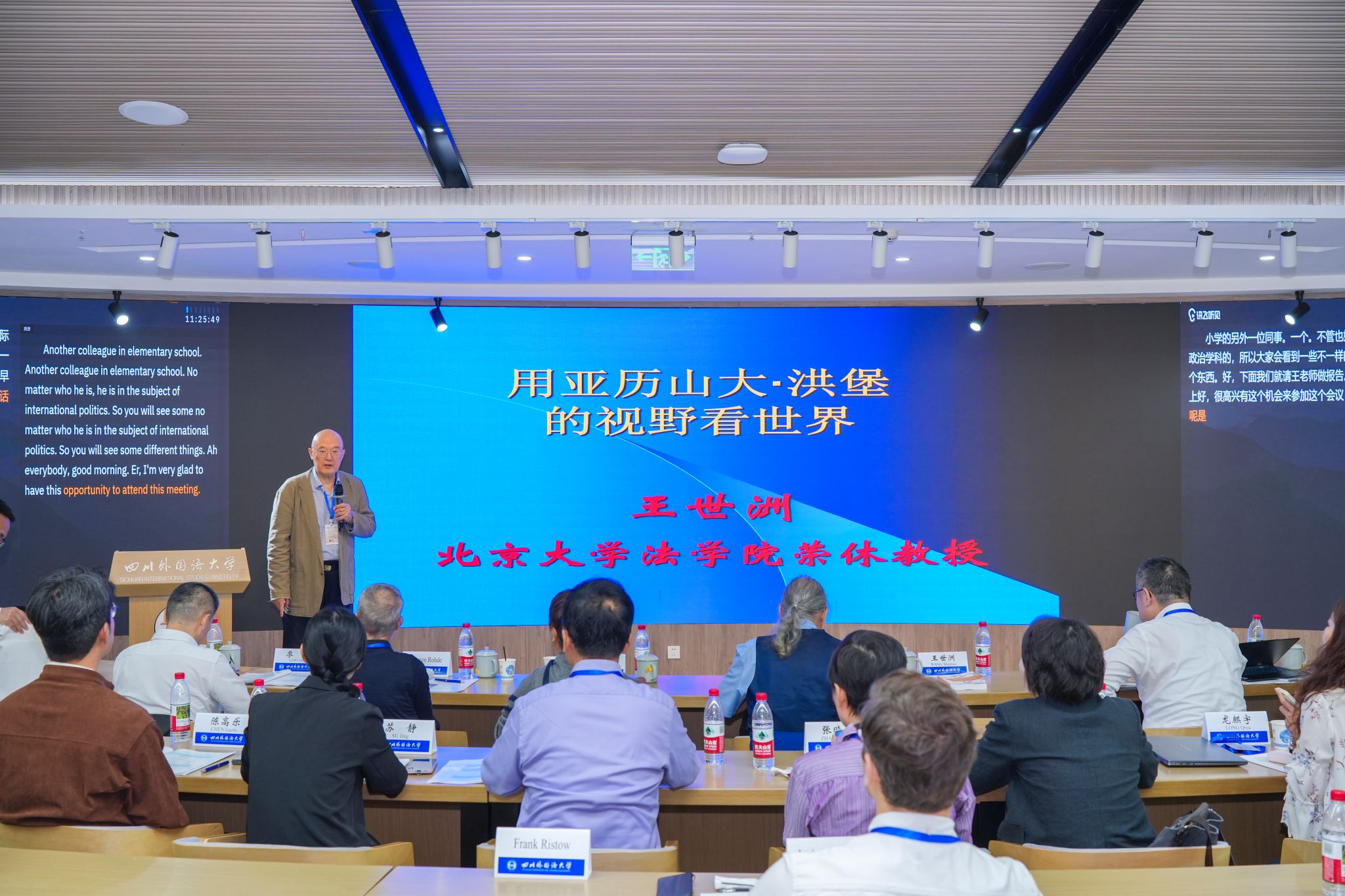
Professor Wang Shizhou delivers a presentation
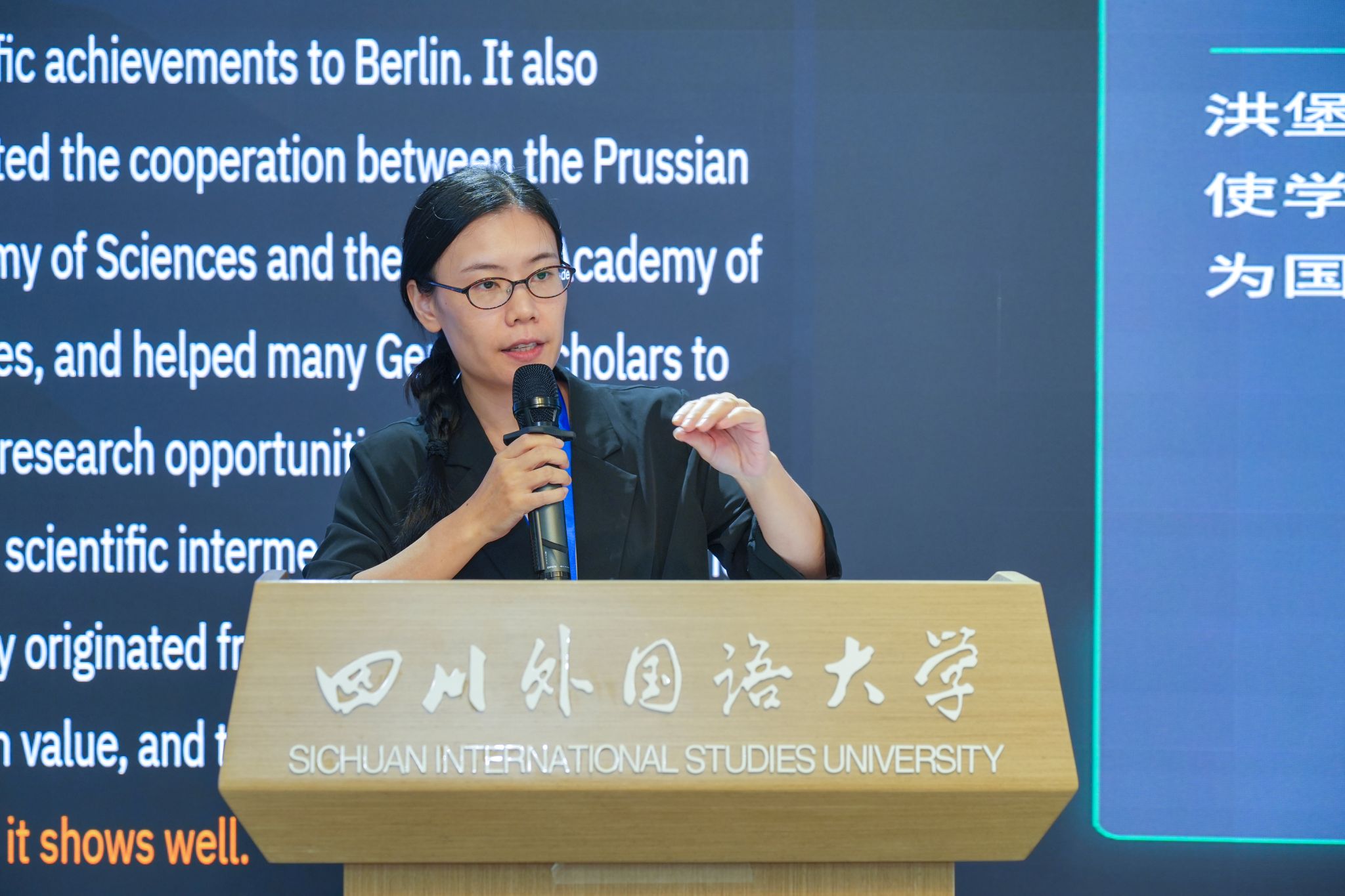
Su Jing delivers a presentation
In the subsequent presentations, Professor Carsten Rohde examined Humboldt’s critique of narratives that posit a binary opposition between nature and society. Professor Ren Haiyan compared Humboldt’s travel writings with The Travel Diaries of Xu Xiake(《徐霞客游记》), exploring the holistic visions of knowledge developed in Chinese and Western traditions. Dr. Liu Yang drew on Cosmos to elucidate Humboldt’s scientific approach to understanding nature as an integrated whole through empirical observation and verification, as well as his pursuit of unity in diversity. Dr. Tobias Kraft analyzed the significance of Humboldt’s expedition to Central Asia for comparative science across Eurasia. Associate Professor Feng Gequn discussed Humboldt’s model of nature as both a scientific and an aesthetic vision from a geographical perspective. Dr. Luo Fang investigated how historical geographical sources from ancient China informed Humboldt’s cross-cultural construction of geographical knowledge. Drawing on practical experience, Zhang Xiaojin explored the application of Humboldt’s holistic thinking to public science education on nature. These presentations addressed Humboldt’s historical context while highlighting the contemporary relevance of his thought for science communication, ecological awareness, and cross-cultural research.
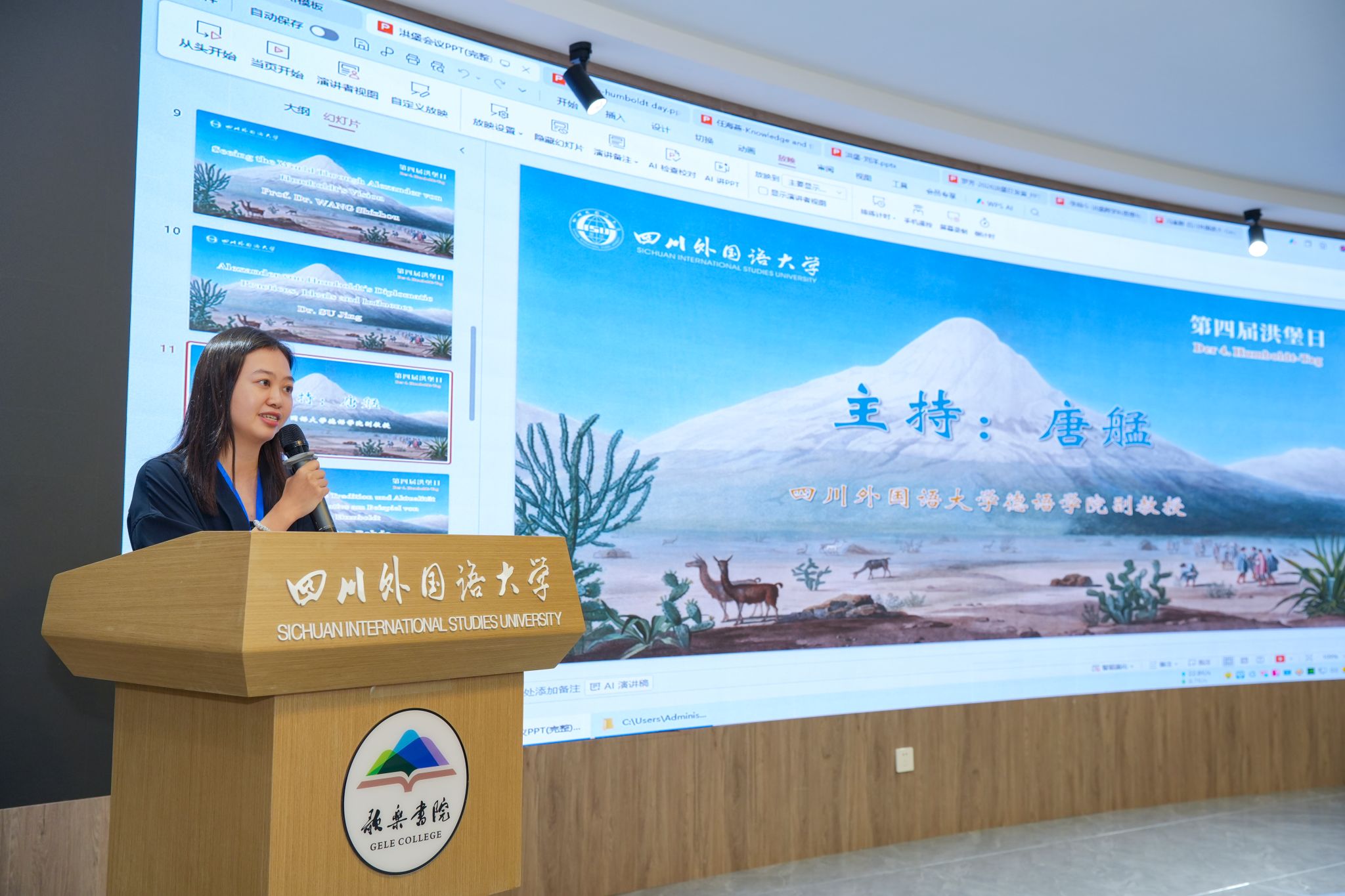
Associate Professor Tang Meng chairs the session
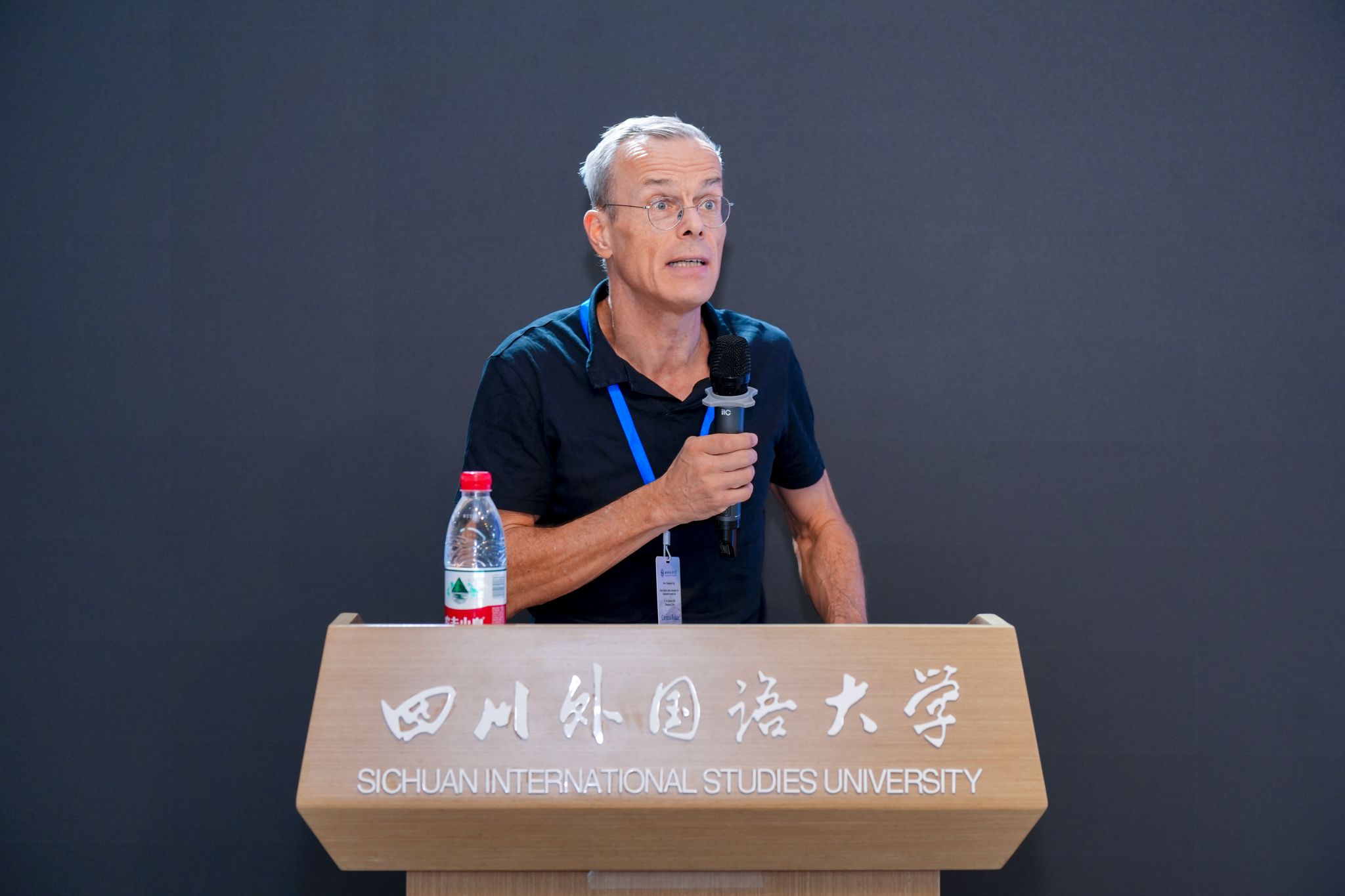
Professor Carsten Rohde delivers a presentation
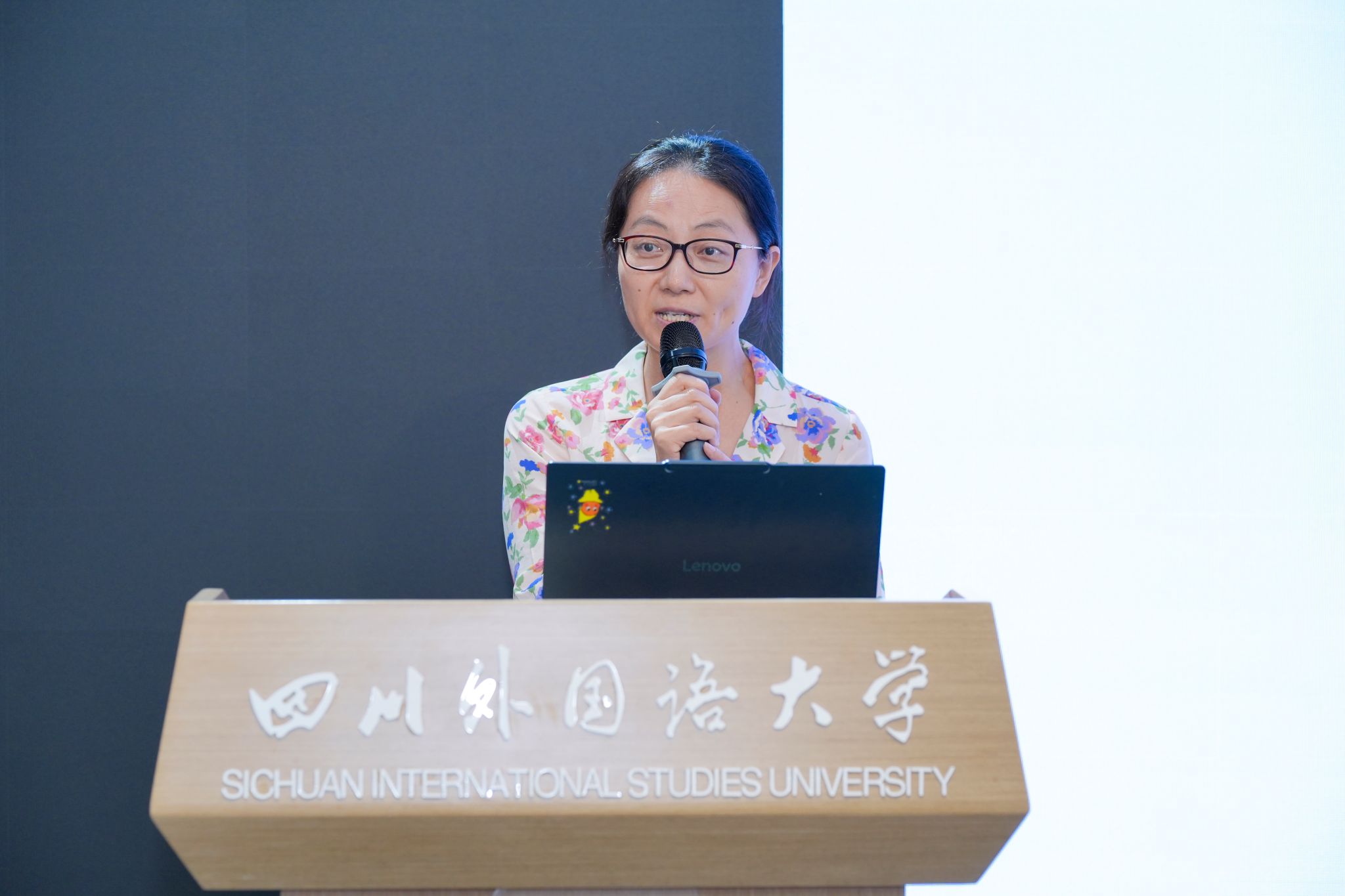
Professor Ren Haiyan delivers a presentation
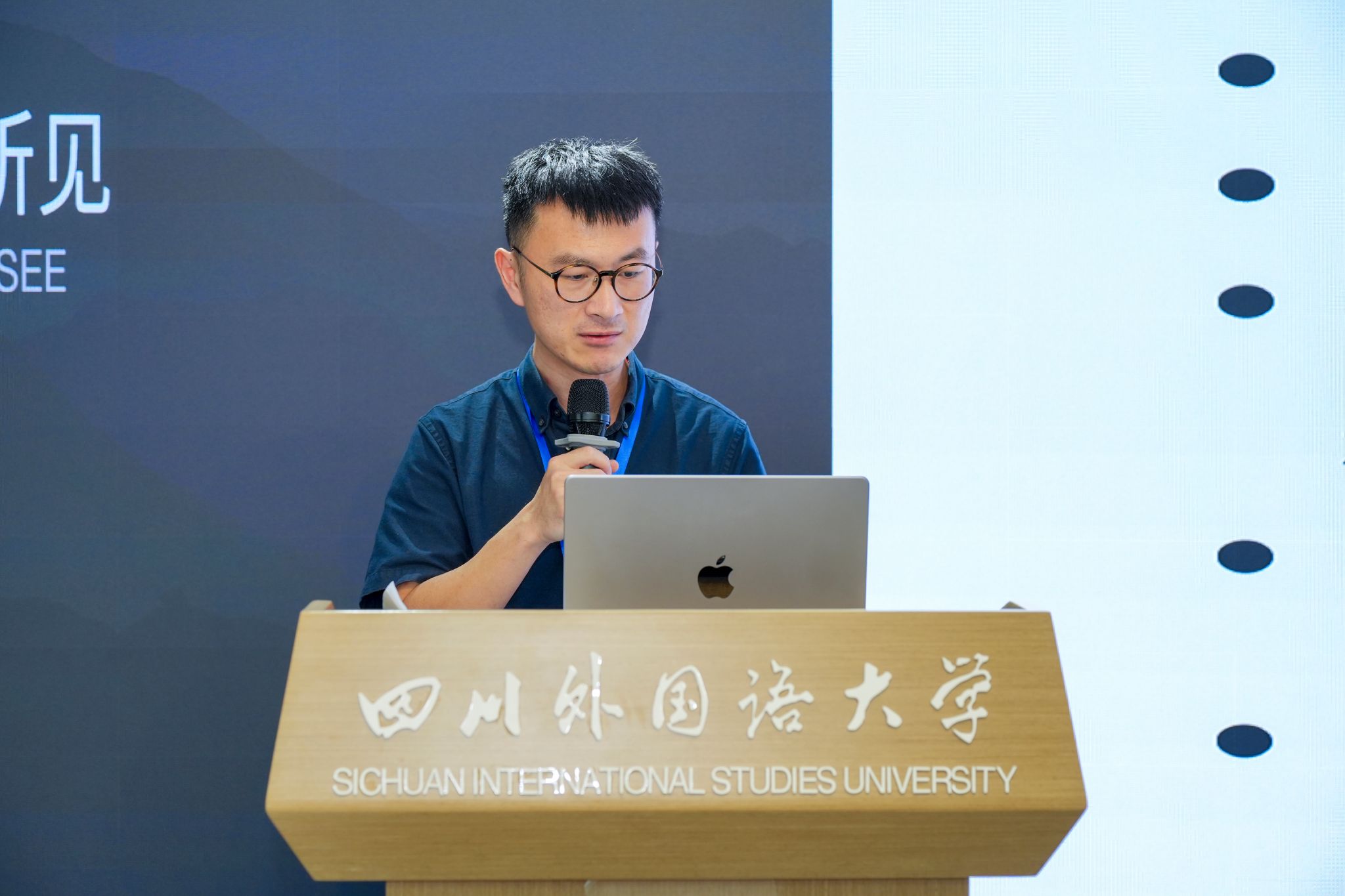
Liu Yang delivers a presentation
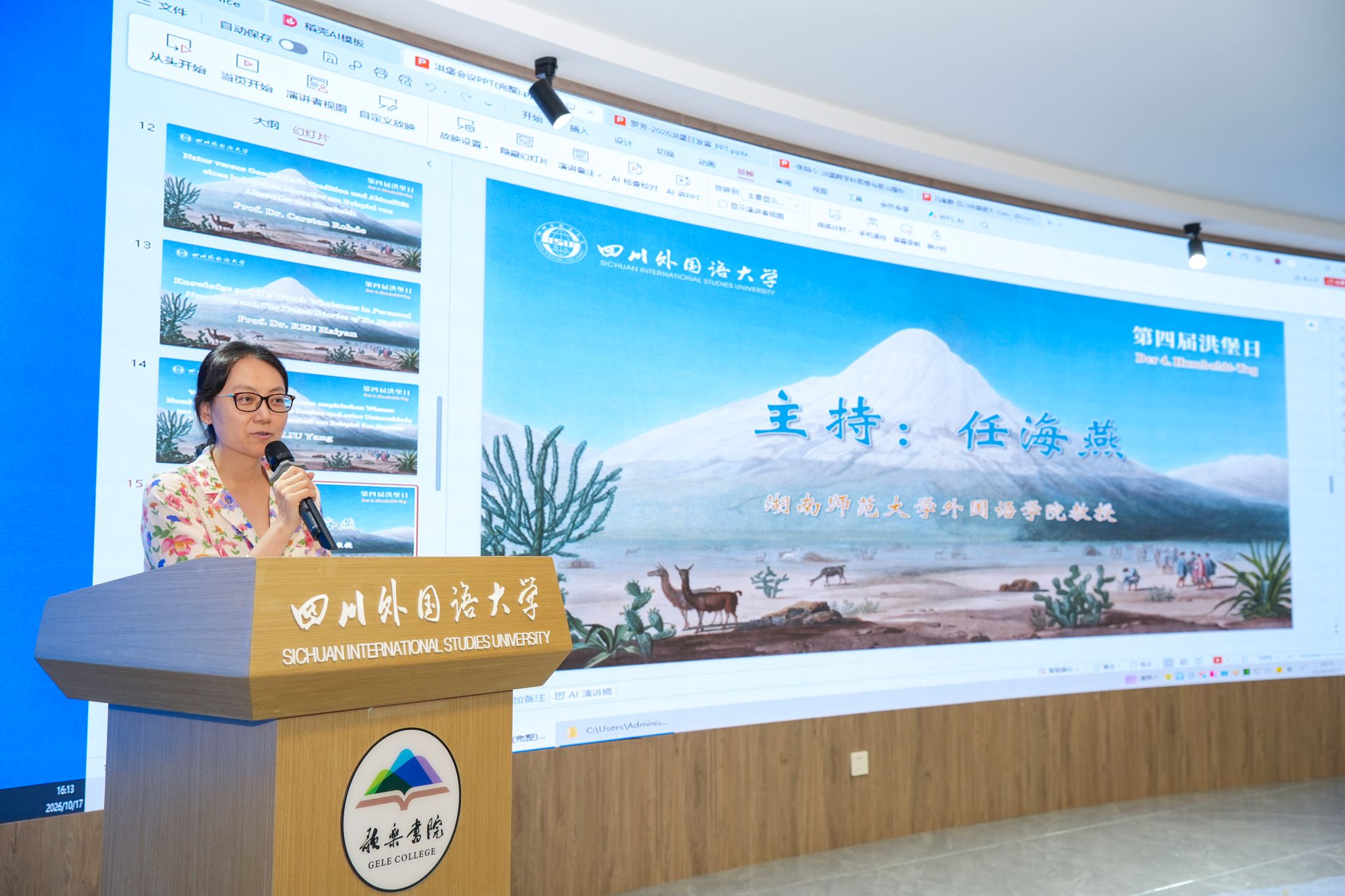
Professor Ren Haiyan chairs the session
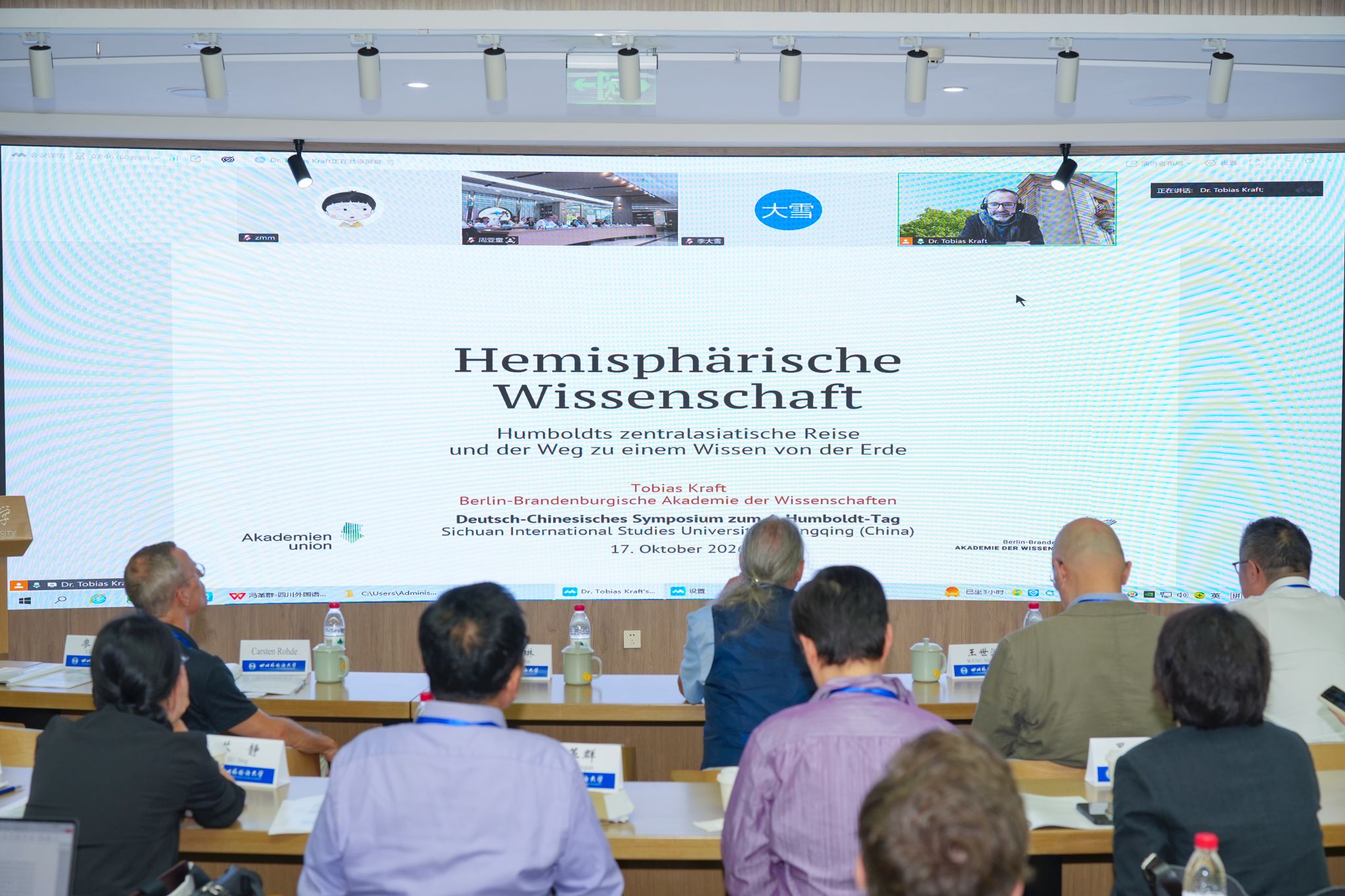
Tobias Kraft delivers a presentation
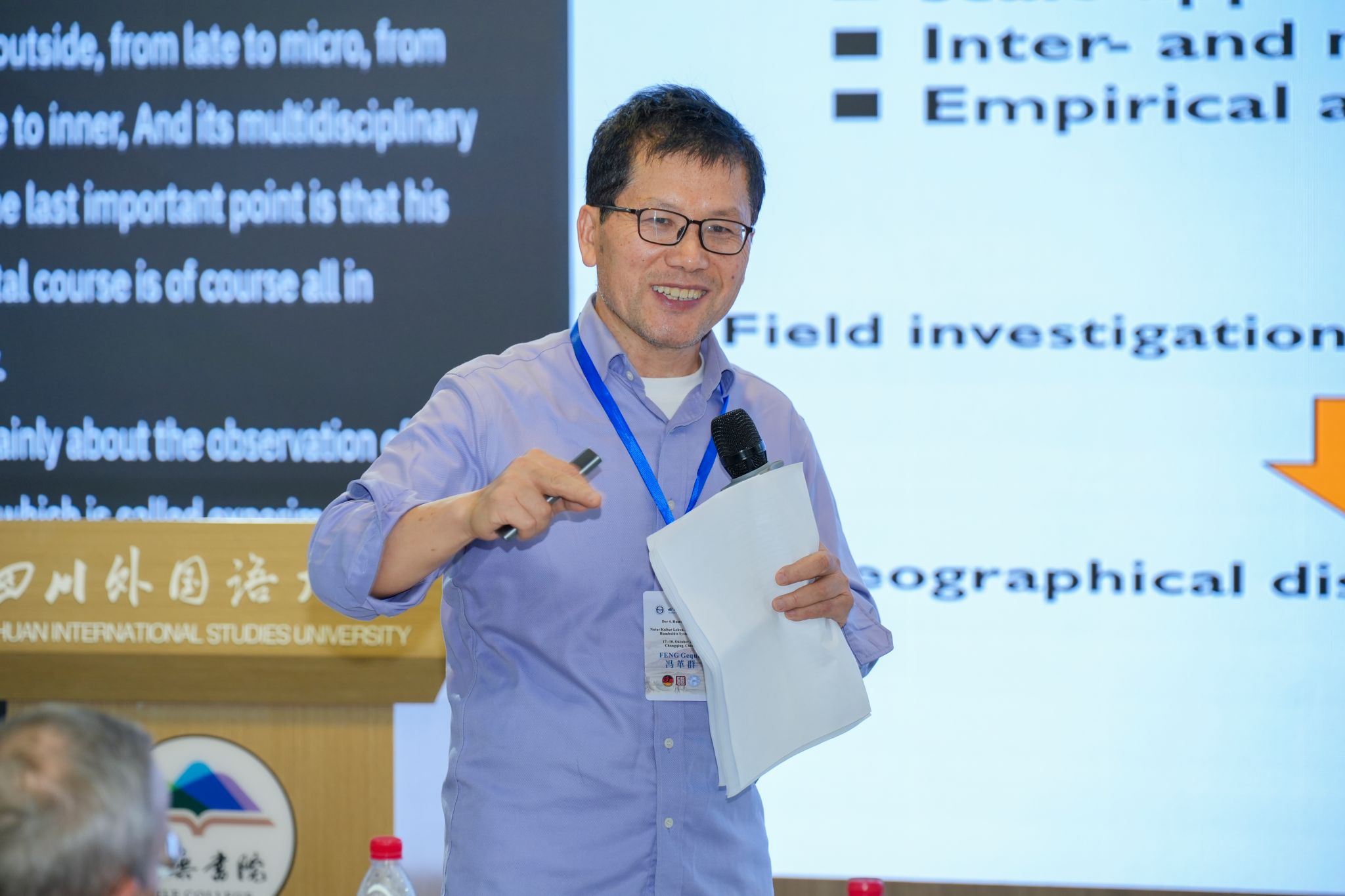
Associate Professor Feng Gequn delivers a presentation
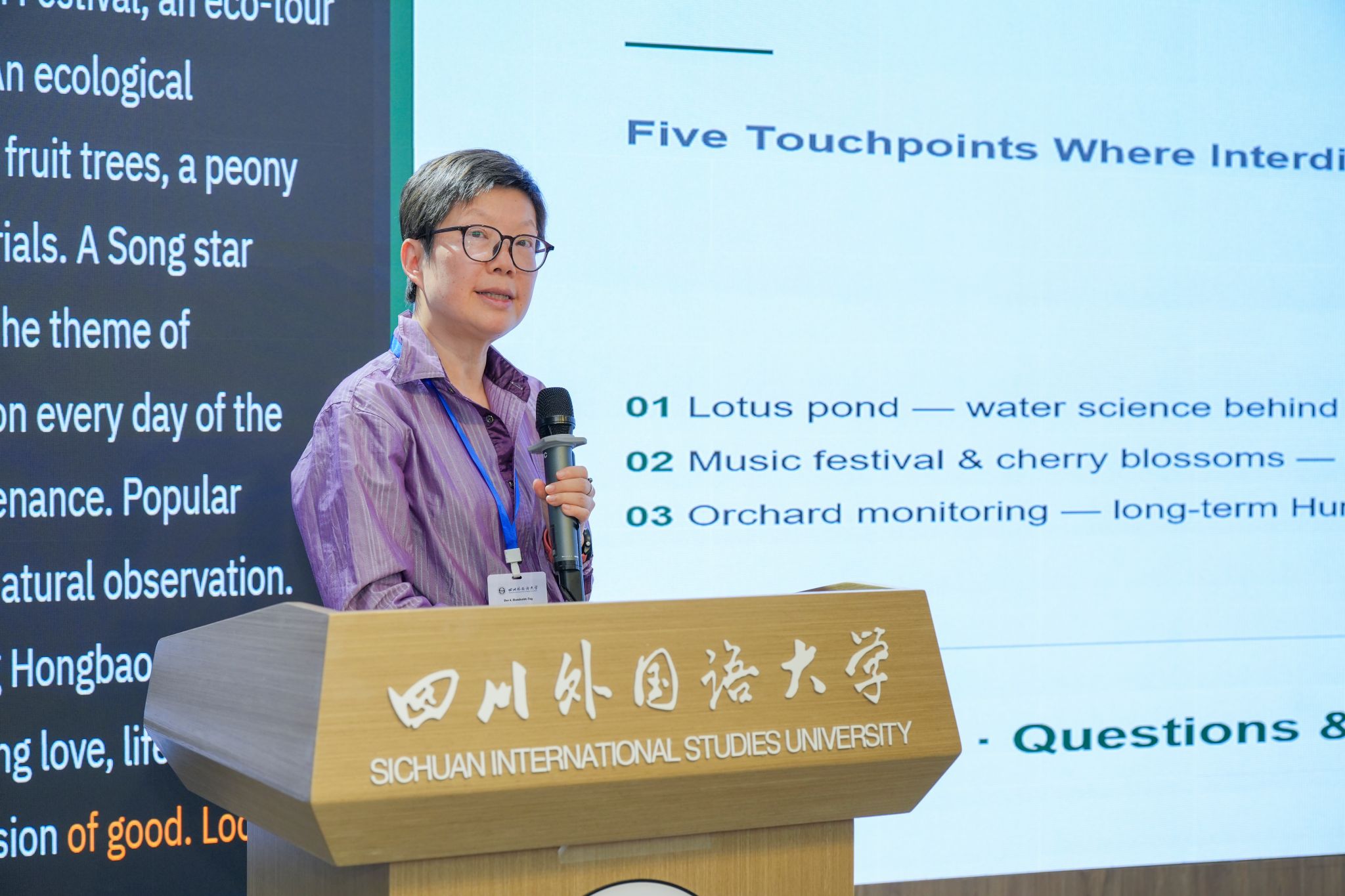
Zhang Xiaojin delivers a presentation
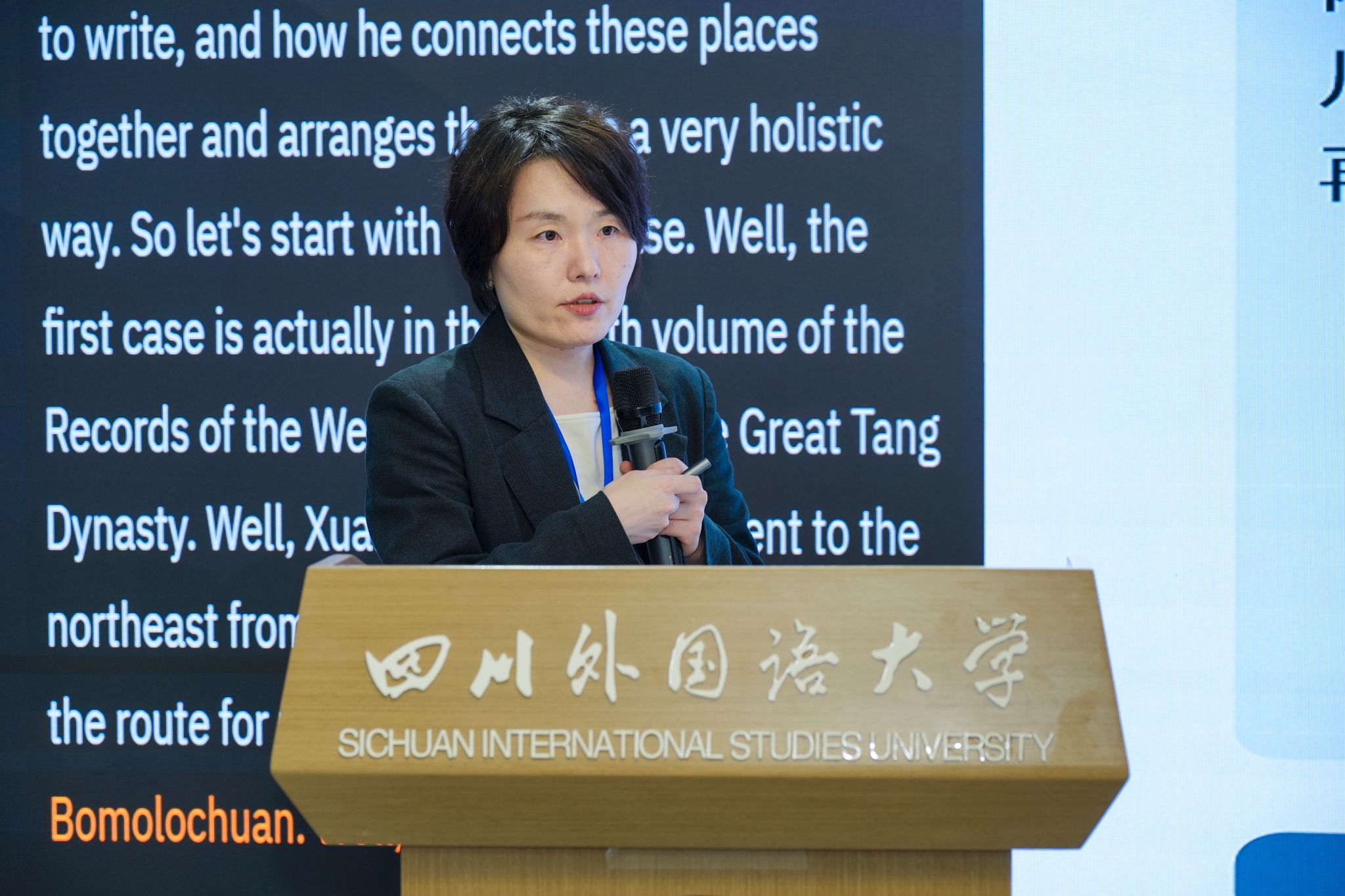
Luo Fang delivers a presentation
The thematic presentations continued on the morning of October 18. Professor Li Daxue examined the concept of symbiosis in Humboldt’s works, elucidating his reflections on and critique of Eurocentrism. Chen Gaole, a doctoral student, discussed how local knowledge of natural history in China helped Humboldt test and revise existing European geographical hypotheses. Long Qiyu, a doctoral student, took texts relating to Pichincha Volcano as a case study to explore the relationship between spatial mobility and the circulation of knowledge in Humboldt’s works, revealing how knowledge is continually updated and reconstructed as it travels across geographical boundaries.
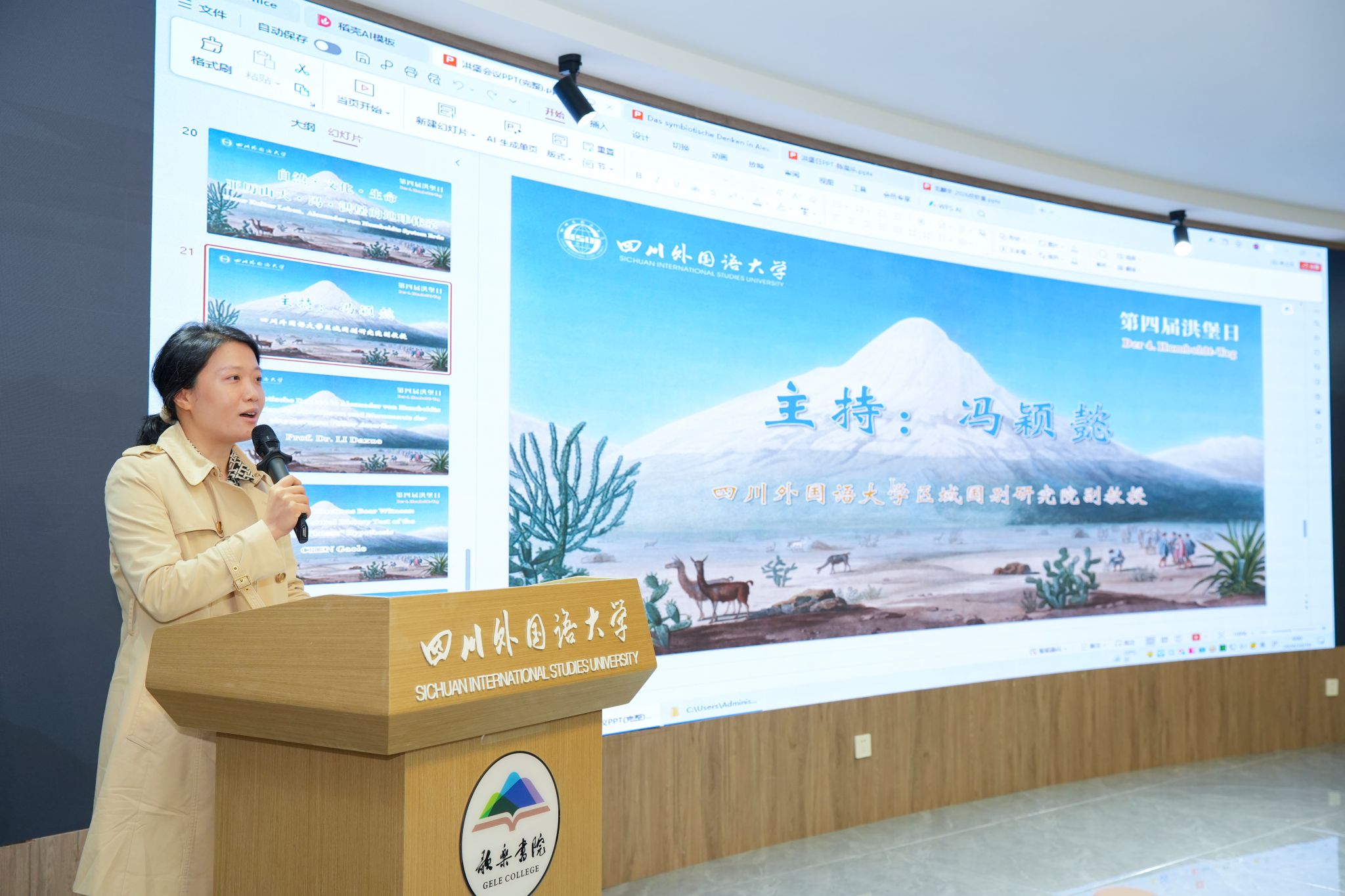
Associate Professor Feng Yingyi chairs the session
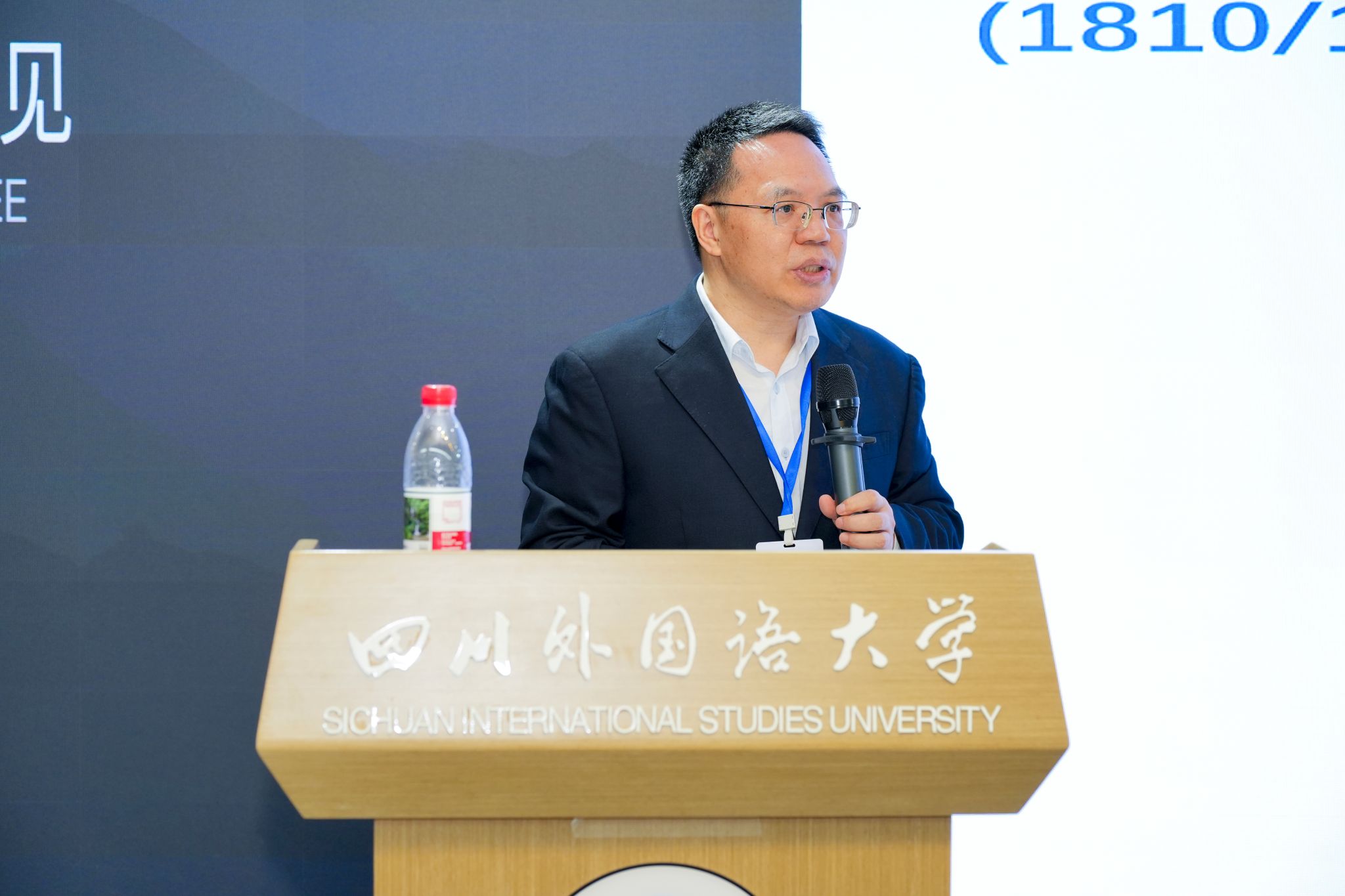
Professor Li Daxue delivers a presentation
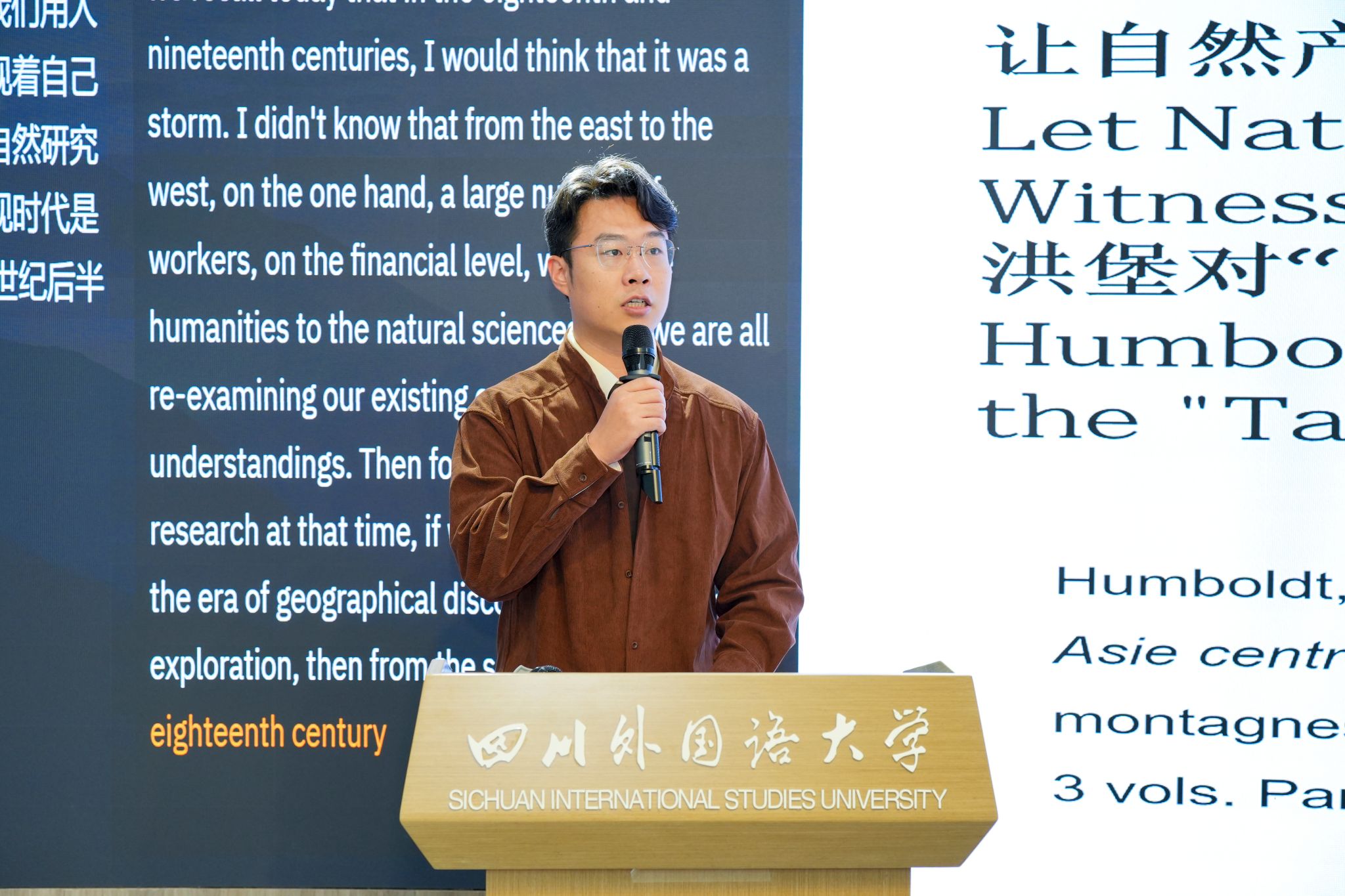
Chen Gaole delivers a presentation
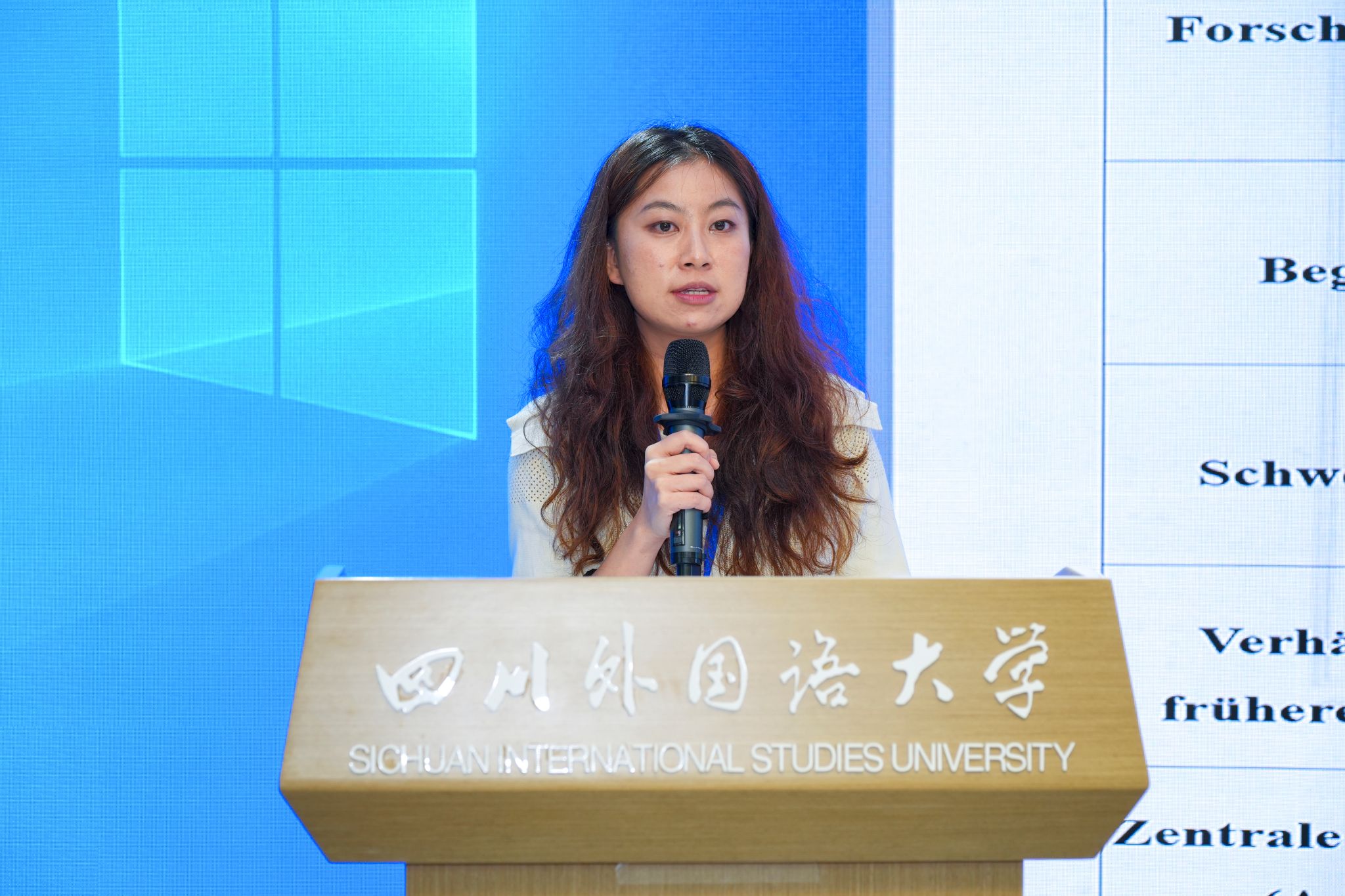
Long Qiyu delivers a presentation
During the symposium, a discussion session was also held on the Chinese translation of Professor Ette’s book TransArea: A Literary History of Globalization. Chaired by Professor Feng Yalin of Sichuan International Studies University, the session brought together Professor Ette, Professor Ren Haiyan, and Gan Huanhuan, an editor at Nanjing University Press. They exchanged views on the book’s central ideas, its transregional research perspective, and the process of translation and publication. By combining scholarly interpretation with practical insights into translation, the session further broadened the dissemination and discussion of Humboldt studies and transregional studies in Chinese-language academic contexts.
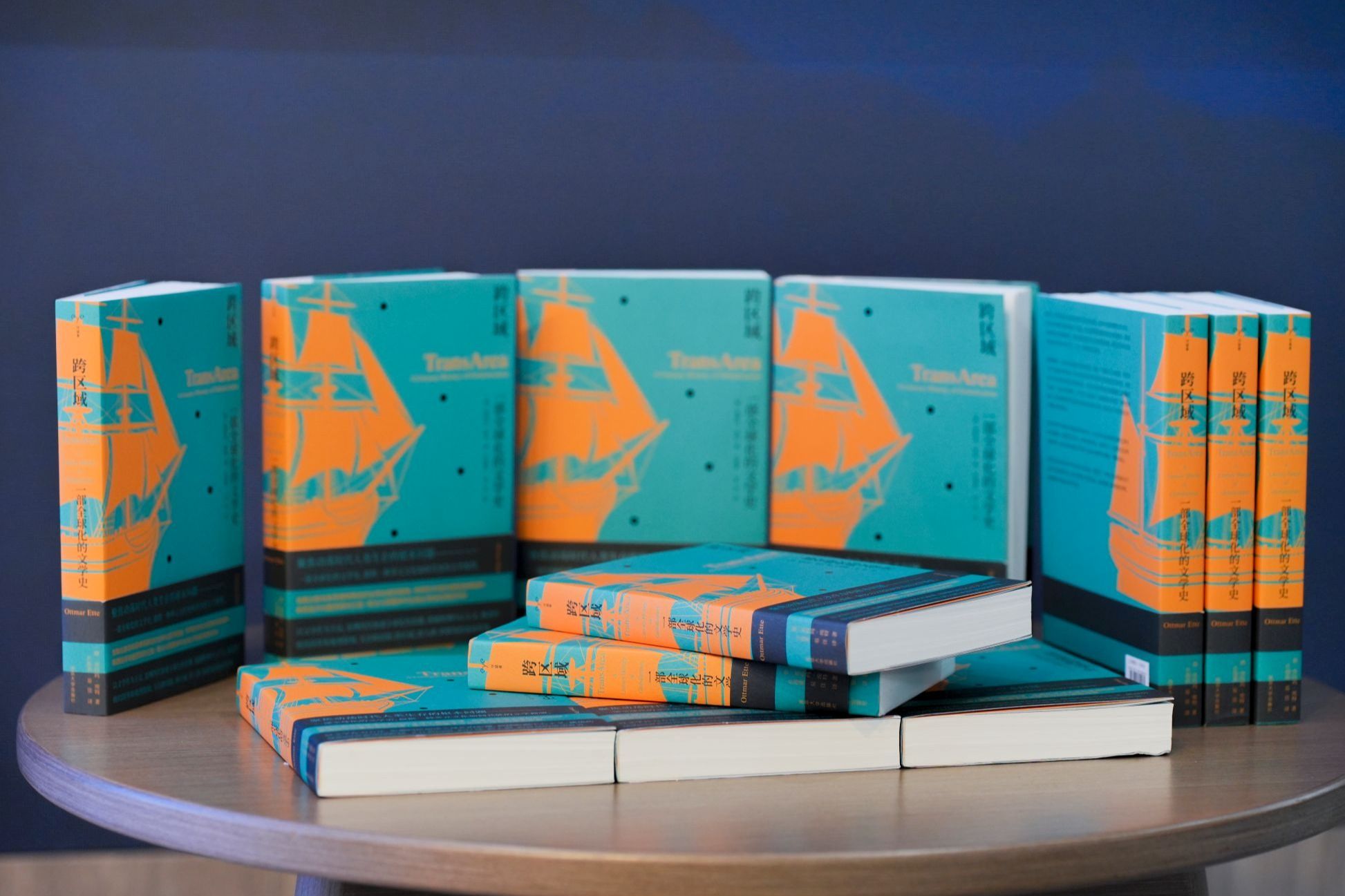
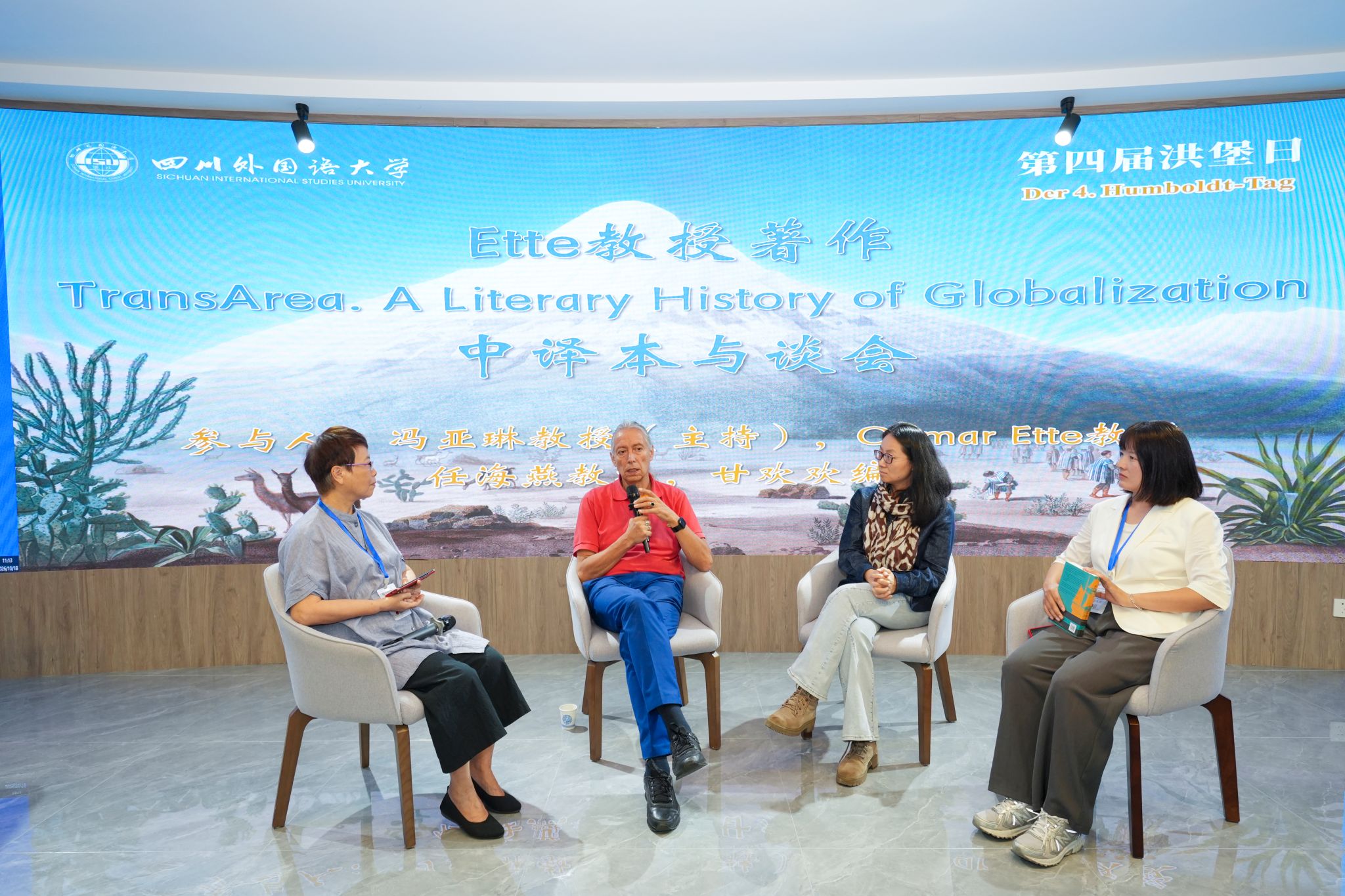
Discussion session
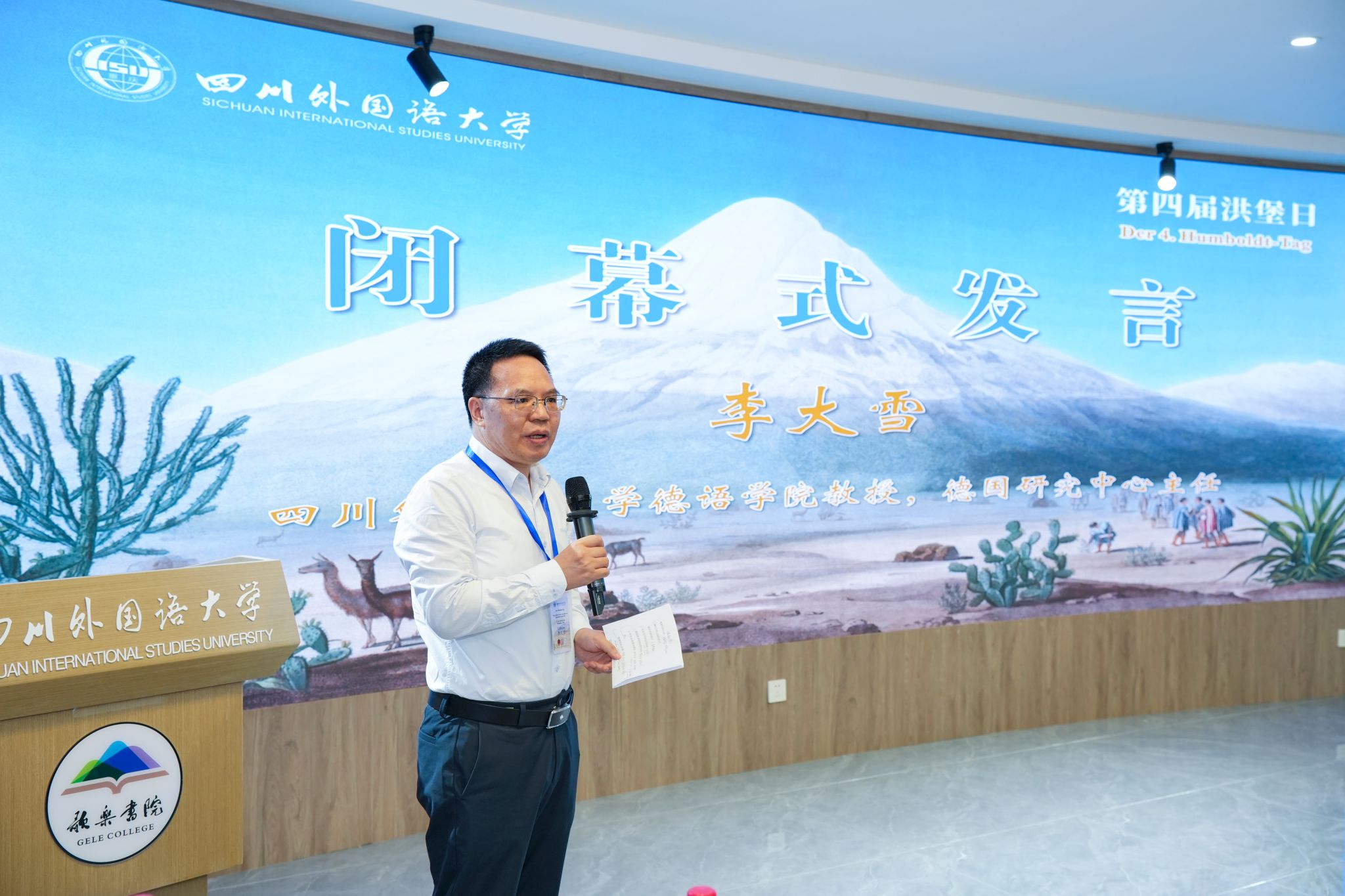
Professor Li Daxue delivers the concluding remarks
The closing session featured a concluding address by Professor Li Daxue. Bringing together scholars from China and Germany, the symposium fostered interdisciplinary discussions on Humboldt’s conceptions of nature and culture, as well as his transregional thought. It strengthened academic collaboration between the German Studies Center, the School of German Studies, and the Institute of Area Studies at Sichuan International Studies University and Humboldt research institutions abroad, while providing a platform for exchange in German studies, area studies, and interdisciplinary research bridging the natural sciences and the humanities. The symposium’s emphasis on holistic and transregional thinking and mutual learning among civilizations not only helped illuminate the contemporary relevance of Humboldt’s thought, but also generated fresh momentum for Sino-German academic exchange, engagement with global challenges, and mutual learning between different intellectual traditions.
Source:https://mp.weixin.qq.com/s/m-ZjyRBvSGe5AGNzf_VakQ