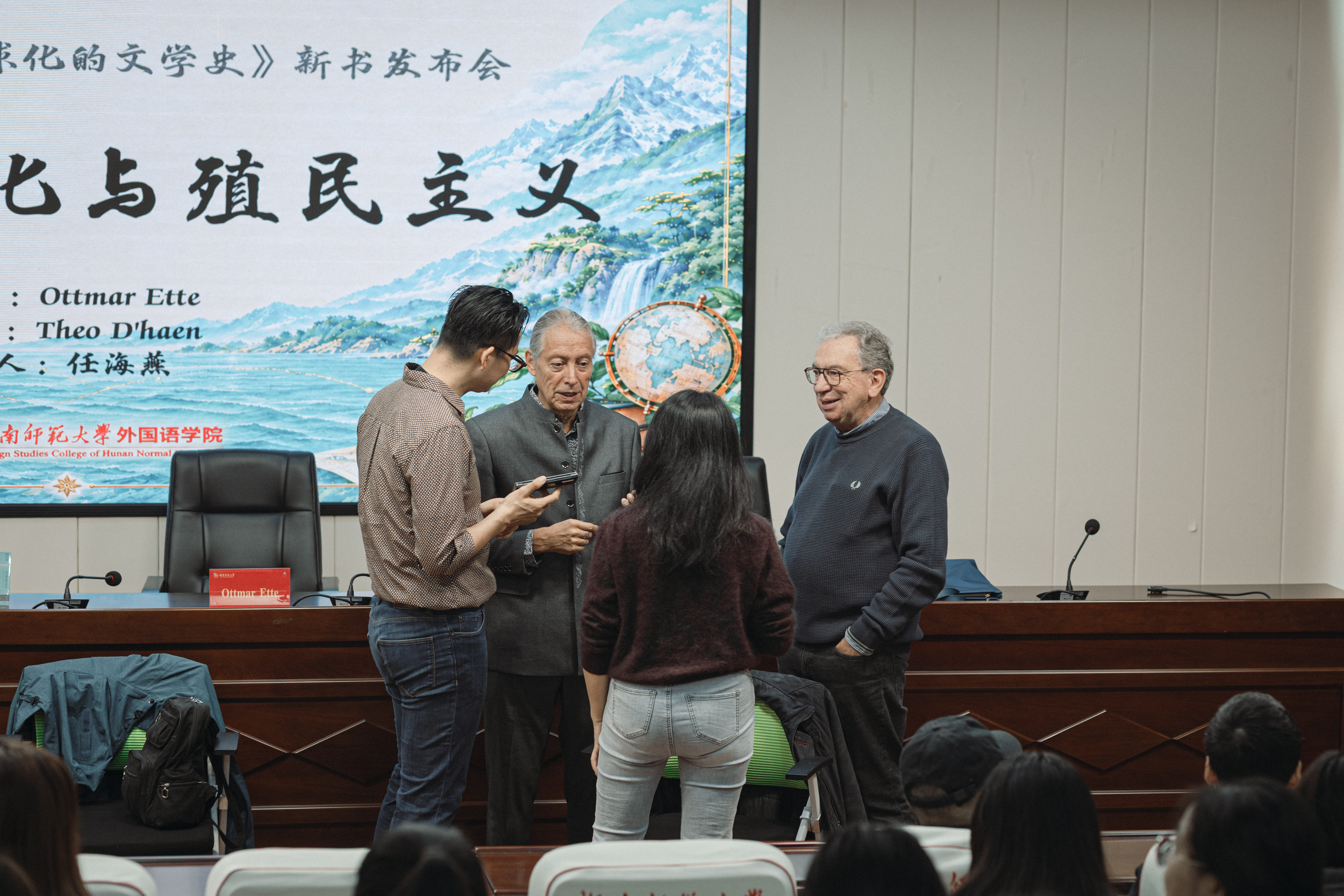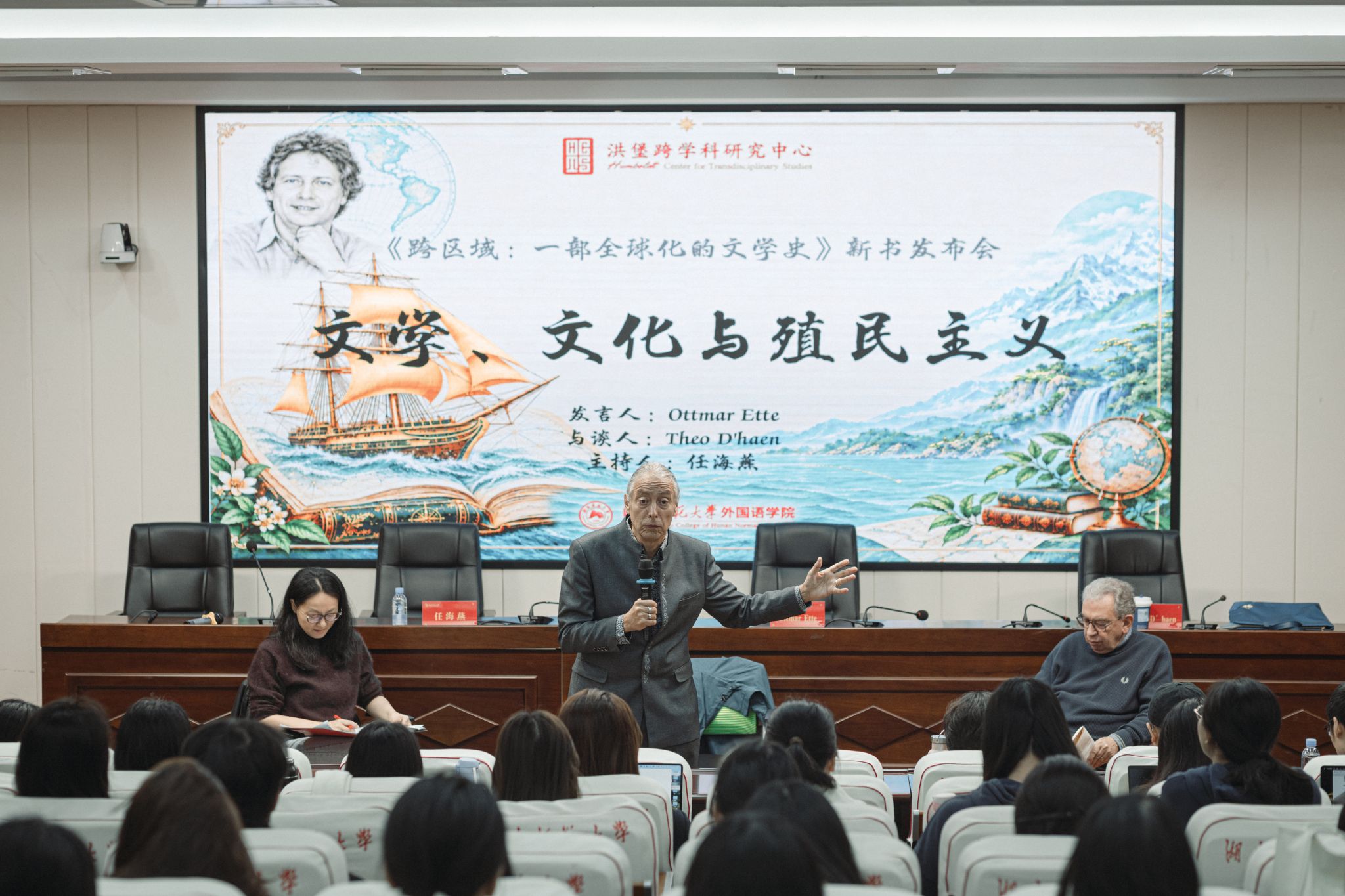
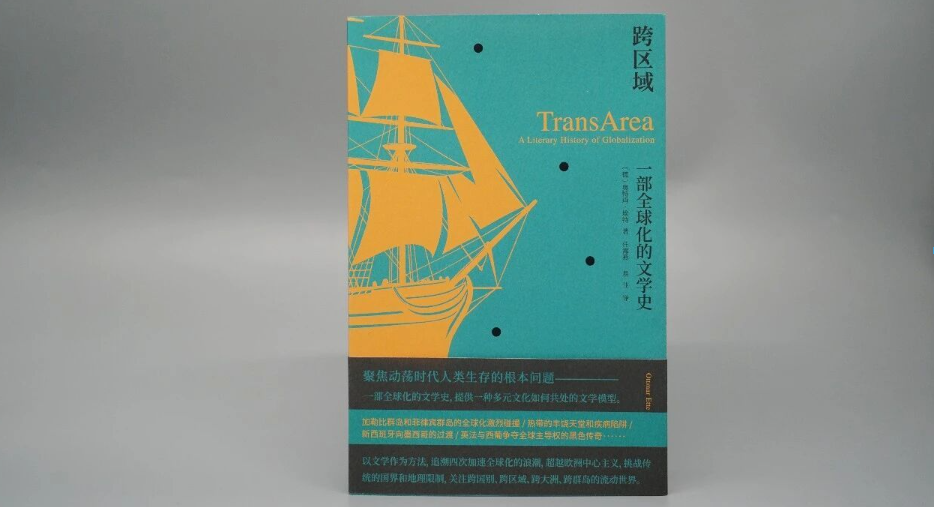
At 10:00 a.m. on November 4, the book launch of Literature, Culture, and Colonialism—TransArea: A Global History of Literature was held in Room 234 of Zhonghe Building at Hunan Normal University. The event was organized by the Humboldt Interdisciplinary Research Center. Professor Ottmar Ette, Director of the Humboldt Interdisciplinary Research Center and author of the book, delivered the keynote presentation. Professor Theo D’haen served as discussant, and Professor Ren Haiyan of the School of Foreign Studies at Hunan Normal University moderated the event. The book was translated (into Chinese) by Ren Haiyan and Yi Jia and published by Nanjing University Press.
Professor Ette began by discussing how literature preserves the lived experiences of different historical periods. Taking Dream of the Red Chamber (红楼梦) as an example, he pointed out that readers can learn about how people lived centuries ago and how they understood their world through the emotions and beliefs of the characters, as well as their everyday activities such as painting and composing poetry. This served as a starting point for his approach to the book: tracing how people in different regions experience, understand, and narrate globalization through literature and travel writing.
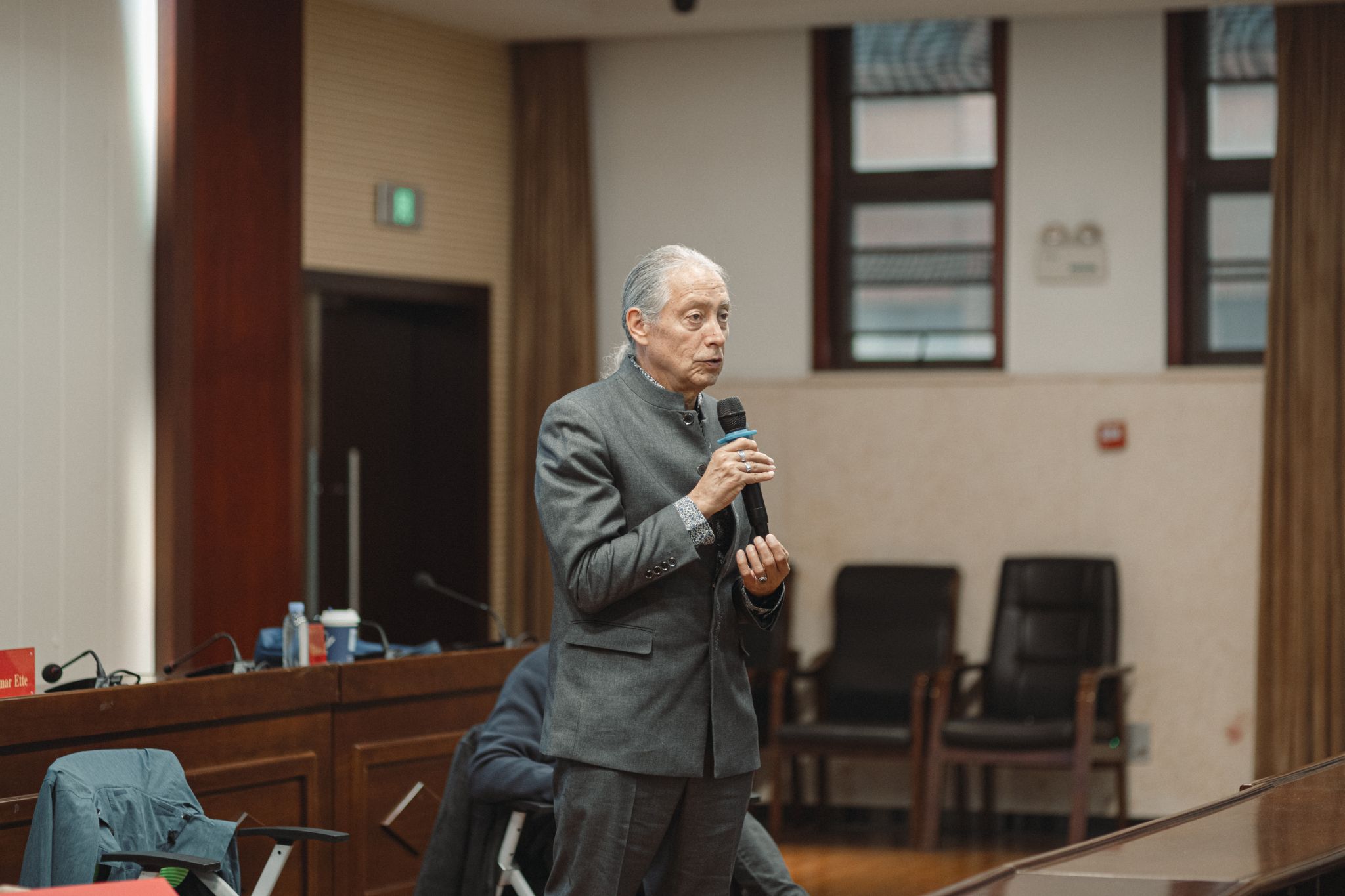
Focusing on the four stages of accelerated globalization proposed in the book, Professor Ette introduced the first three stages in particular. In discussing the overseas expansion of the Iberian powers since the late fifteenth century, he drew on the example of Christopher Columbus, noting that Columbus was influenced by the image of Asia presented in Marco Polo’s writings. After reaching the Americas, Columbus still believed that he had arrived in Asia. This example illustrates how the ways in which navigators describe unfamiliar places are shaped by what they have read and what they expect to see before setting out. Turning to the expansion led by Britain and France from the mid-eighteenth century onward, Professor Ette discussed the voyages of James Cook and Louis-Antoine de Bougainville, explaining how advances in timekeeping technology helped navigators determine longitude and made long-distance ocean voyages safer. In addressing the rise of the United States and Japan from the late nineteenth century to the early twentieth century, he took the writer Lafcadio Hearn as an example, showing how Hearn’s experiences of living in the Mediterranean, the Caribbean, and Japan shaped his literary imagination.
Professor Ette also discussed Goethe’s reading of Chinese novels and Arabic literature in Weimar to explore the practice of organizing the literary world around a particular location in the study of “world literature.” He proposed that researchers should start from “the literature of the world,” focusing on the movement of literary works and writers across languages and regions, as well as how these connections transform people’s understanding of other cultures. In her commentary, Professor Ren Haiyan responded to Professor Ette’s discussion of how literature can transcend historical periods and connect different lived experiences, drawing on the Han dynasty yuefu poem “Shang Ye” (上邪) as an example.
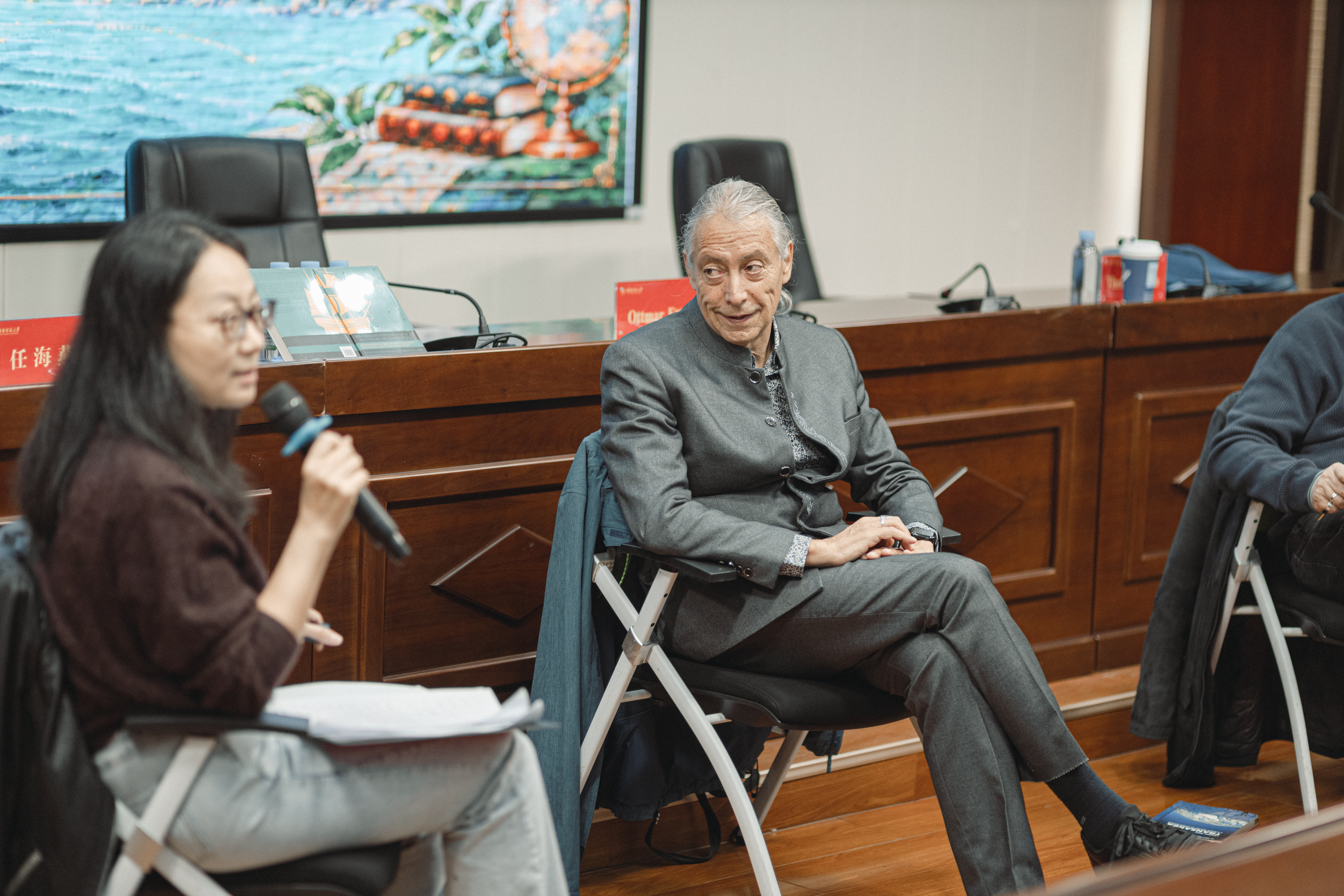
During the discussion session, Professor Theo D’haen drew on Immanuel Wallerstein’s world-systems theory, using the precious metal trade from the Americas and the sugar trade in the Caribbean as examples to further explain how early European colonial expansion reshaped the connections between European and Asian markets. He then extended the discussion to the fourth phase of acceleration since the 1980s, examining China’s reform and opening-up and its accession to the World Trade Organization to discuss the changing position of China in the global trade landscape. He also shared his experience of contributing to the four-volume Literature: A World History, explaining how the editors sought to address the longstanding predominance of European literature in the writing of world literary history by allocating space to literary traditions from different regions in a balanced manner.
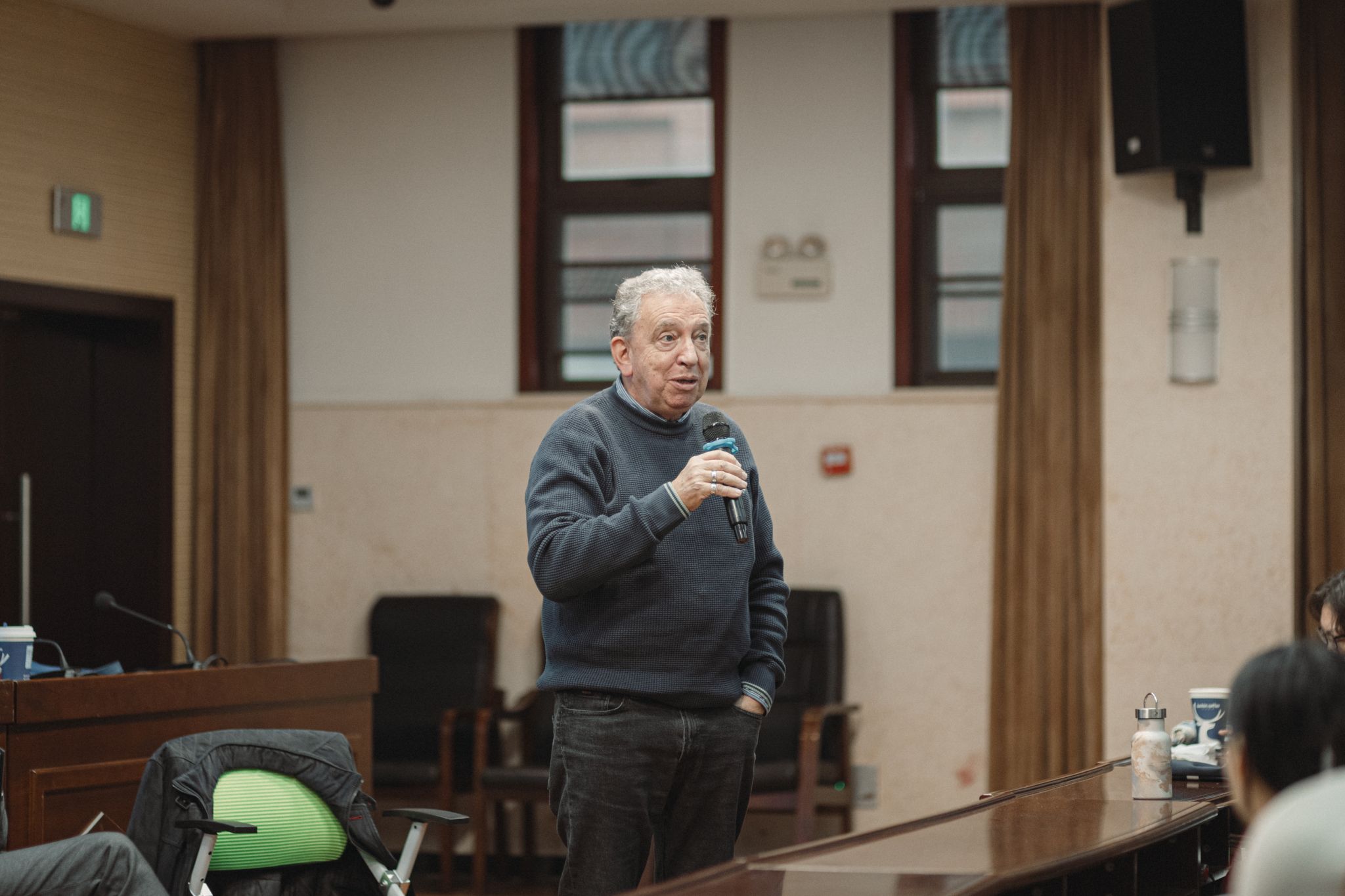
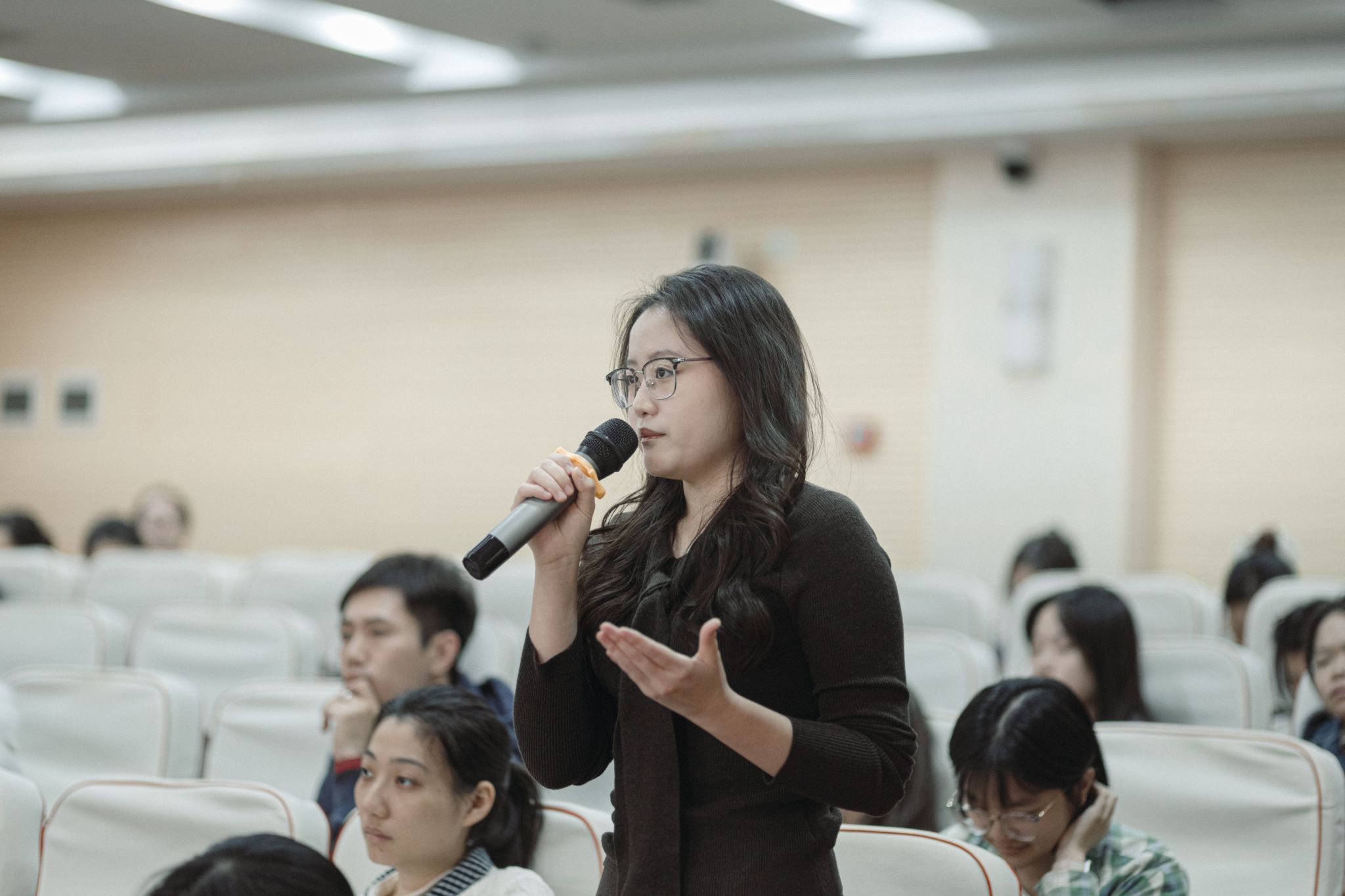
During the audience exchange, Professor Ette drew on the writings of Cuban author José Martí during his stay in the United States to discuss how literature can convey complex historical experiences through concrete images. In response to students’ questions about how foreign-language students could prepare for future careers in intercultural work, Professor D’haen reflected on his own experience in interpreting and discussed the impact of artificial intelligence on the translation industry. He emphasized that literary translation still requires translators to exercise contextual judgment and grasp the subtle nuances of language.